12 hr
Porto, Óbidos & Nazaré Full-Day Tour from Lisbon
- Expert local guide
- Small group
- Skip-the-line access
- Free cancellation
Douro Valley Wine Tours — Departure from Lisbon
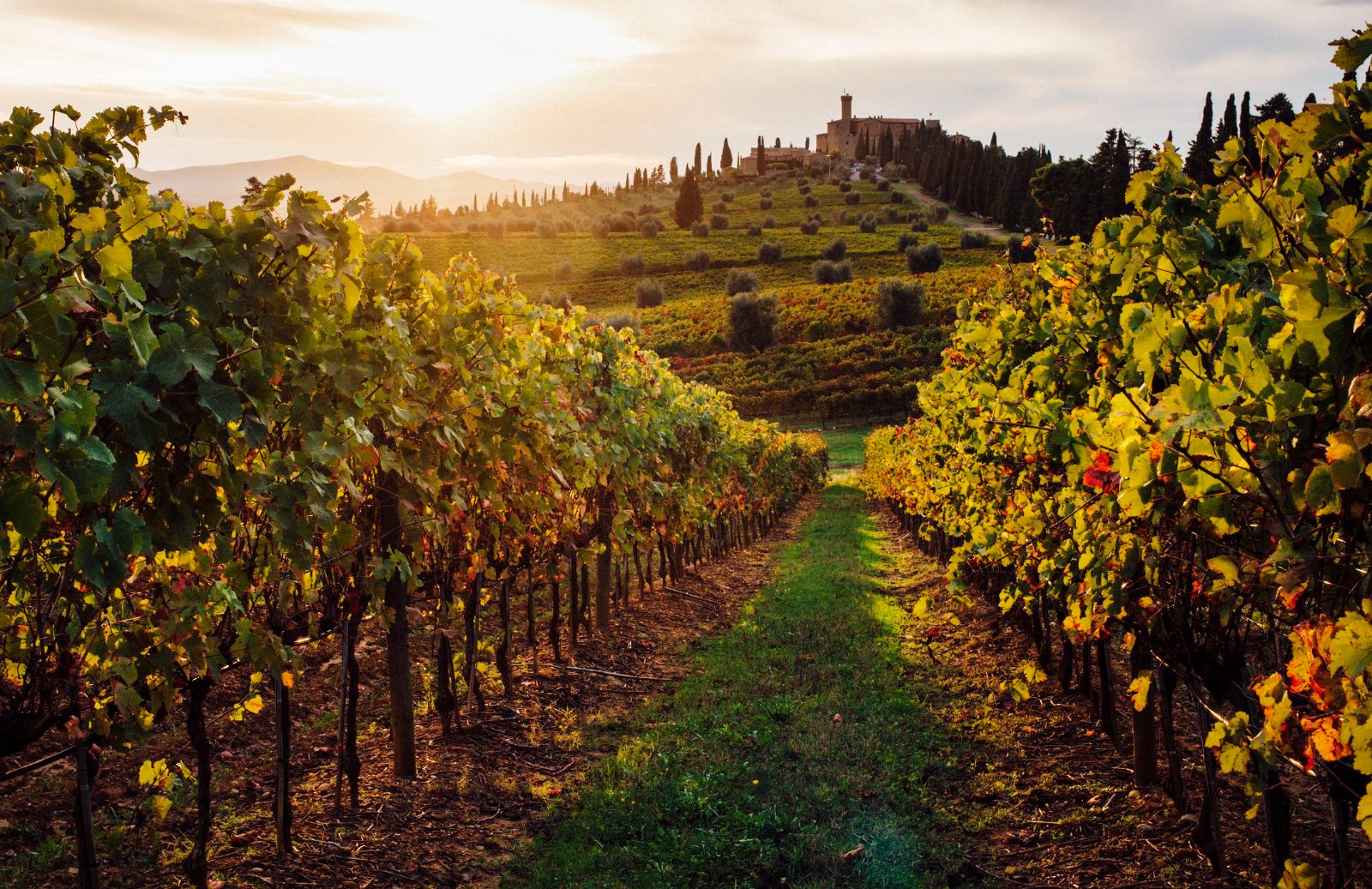
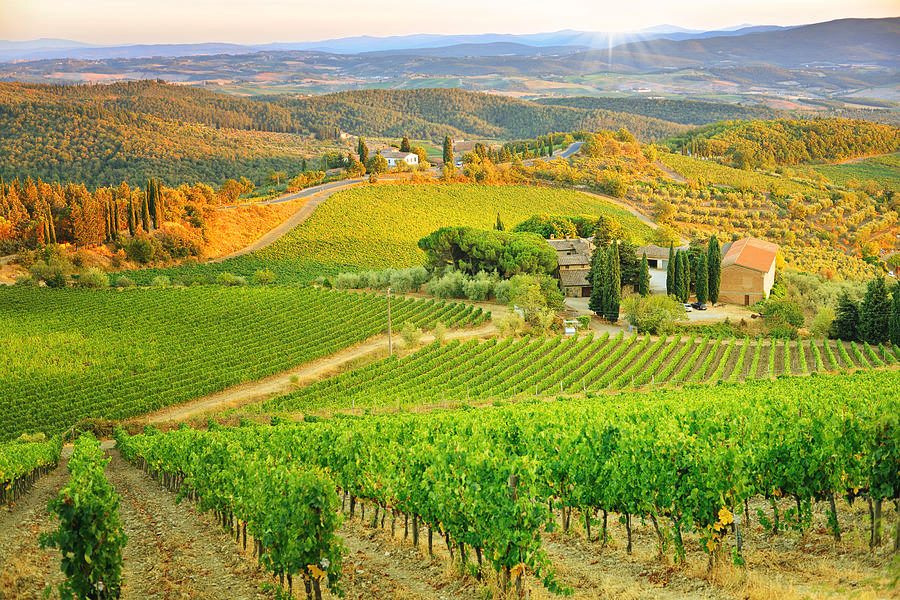
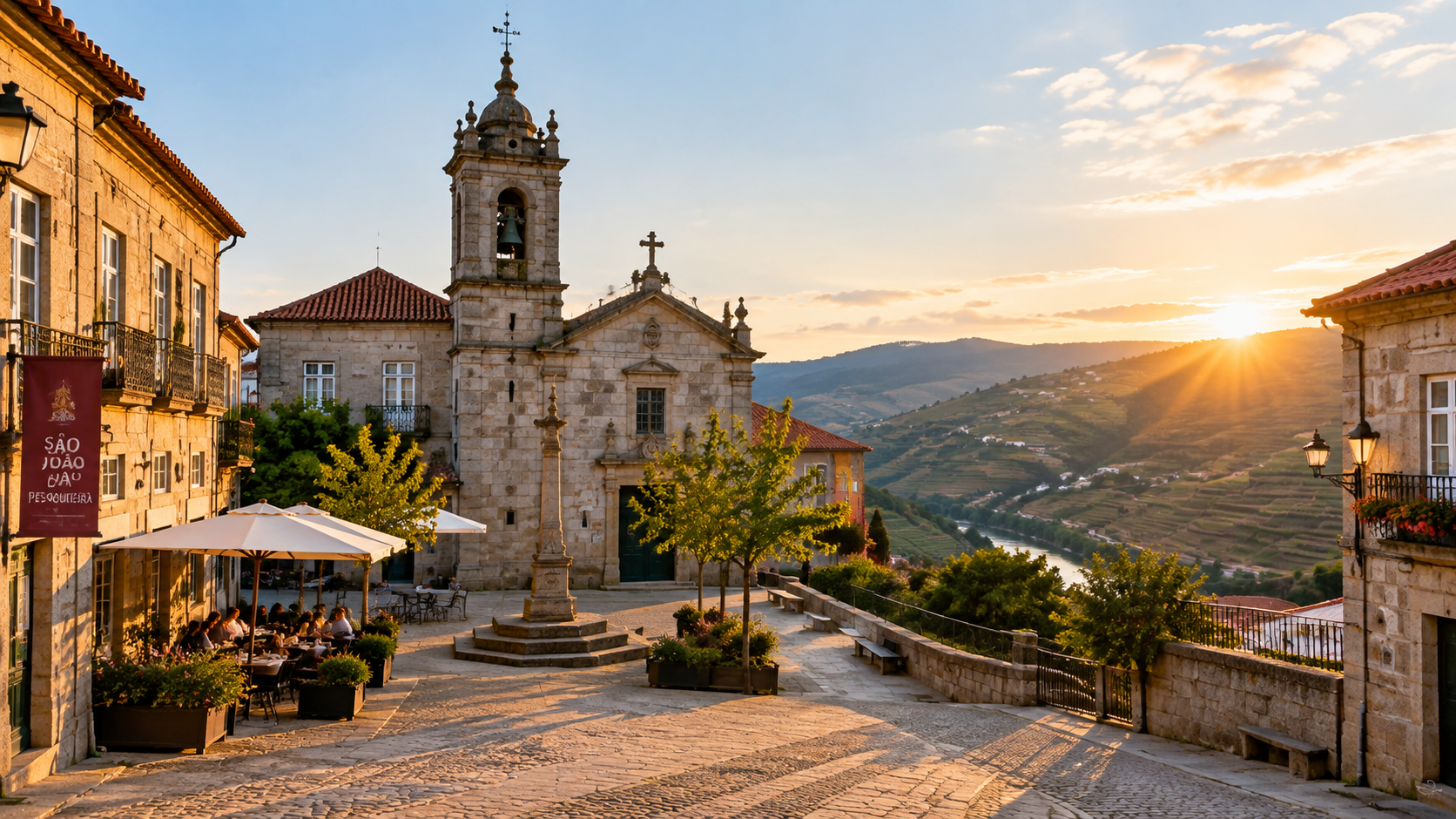
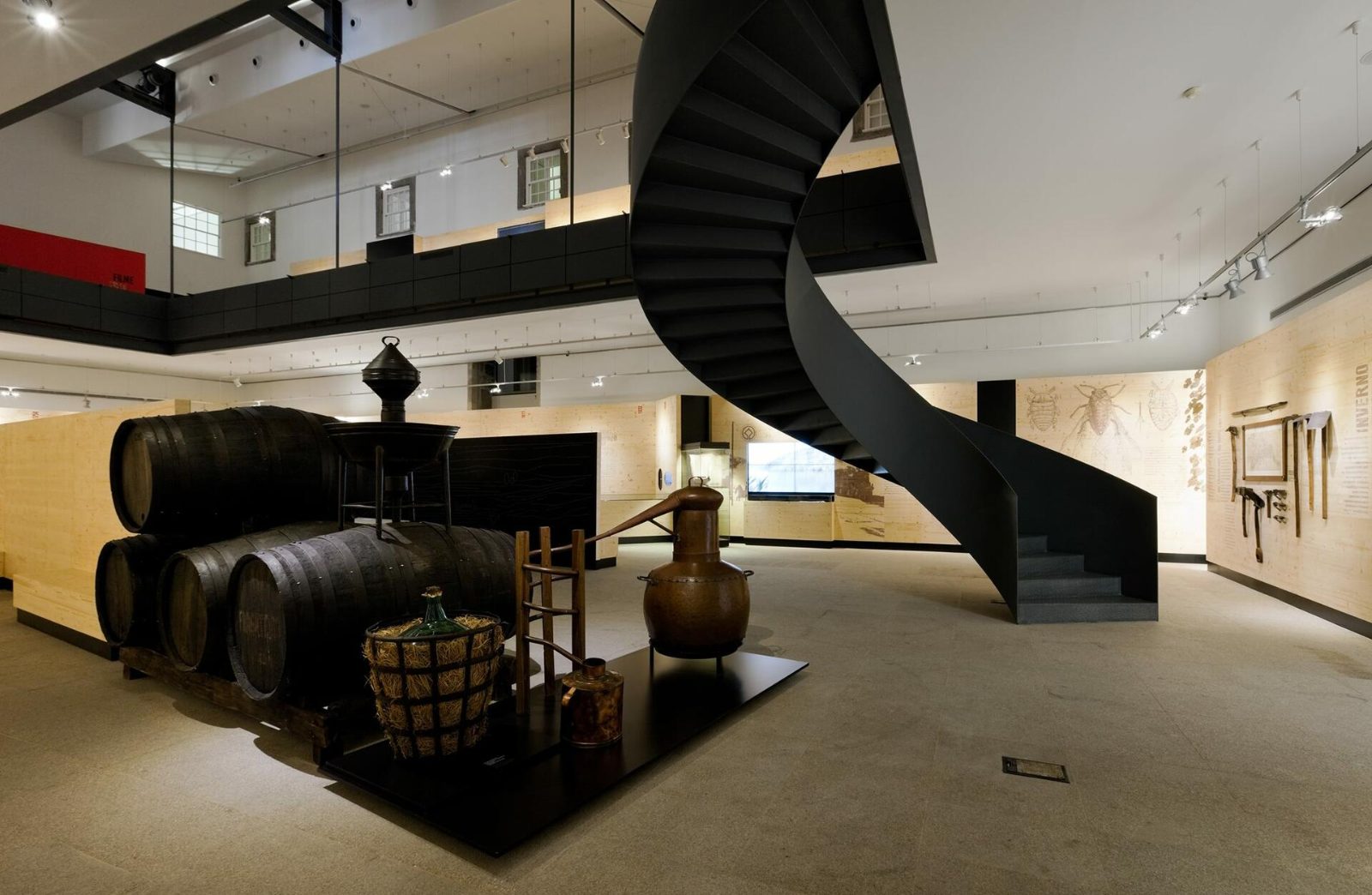
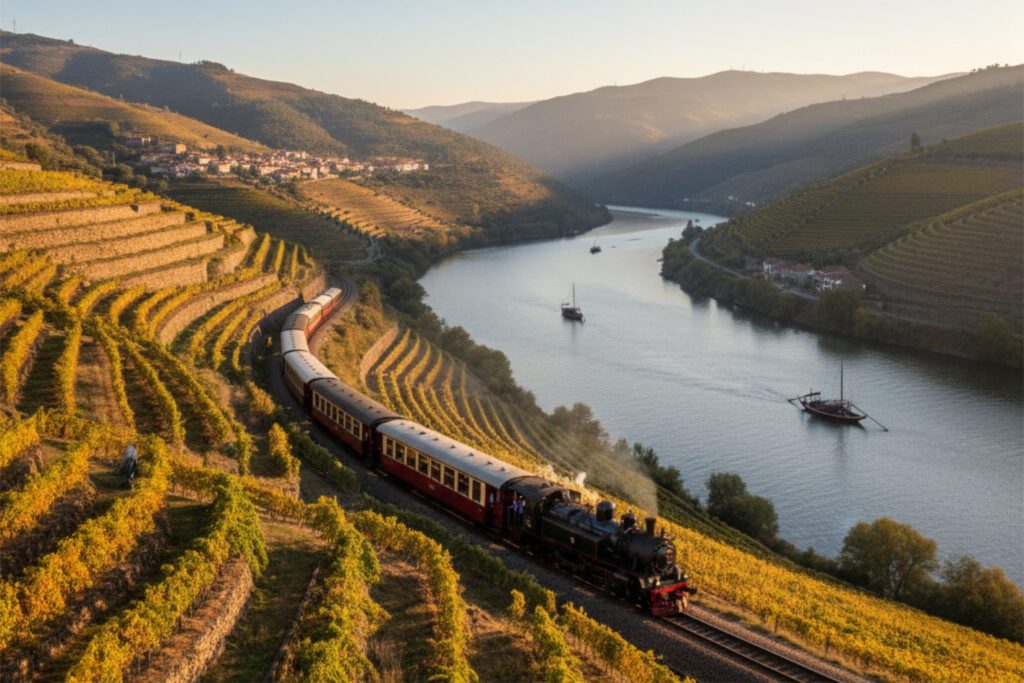
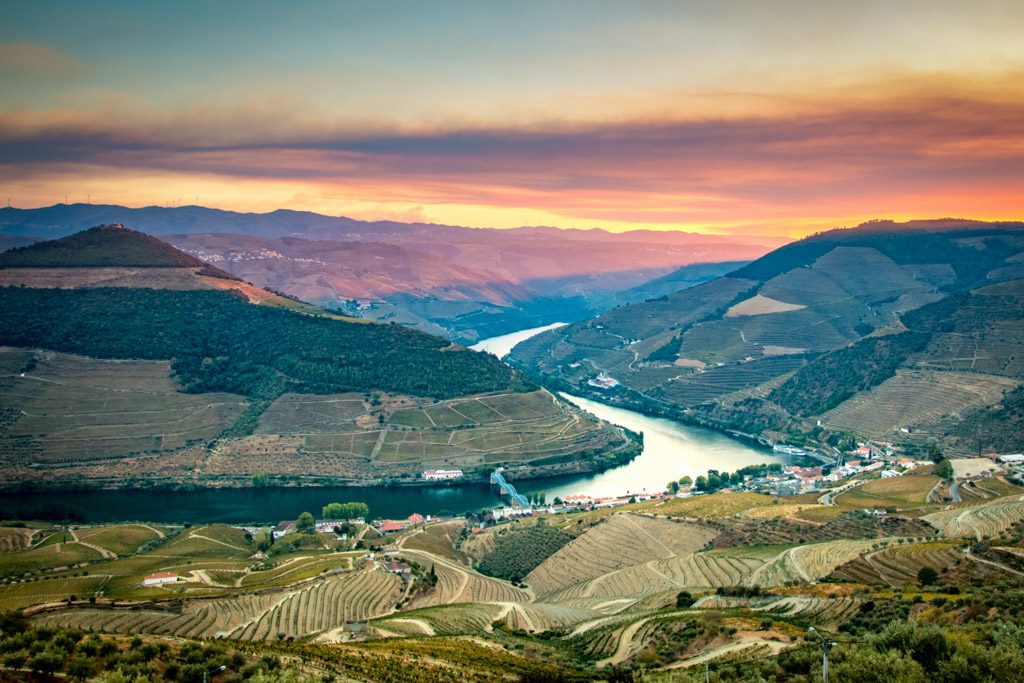
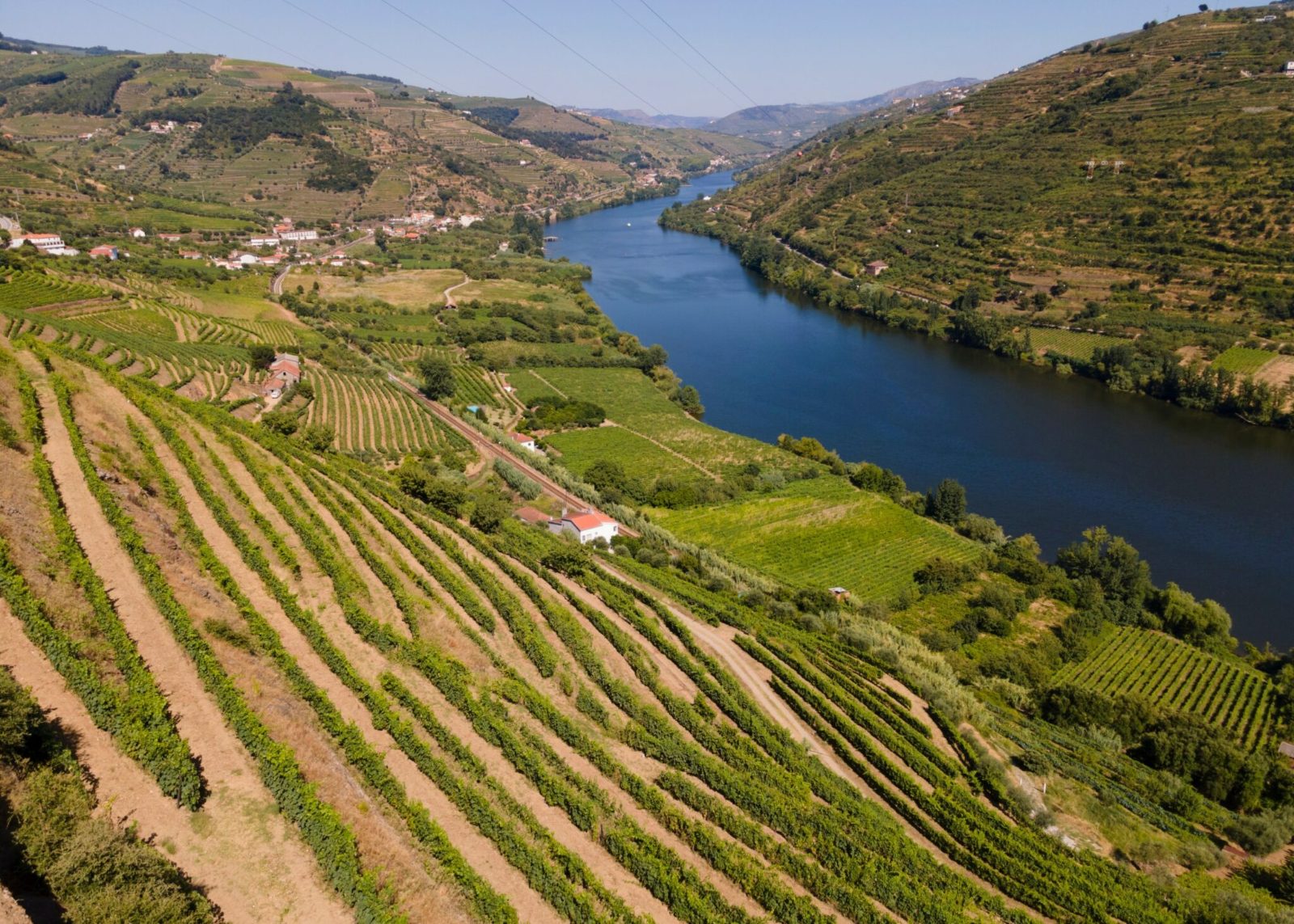
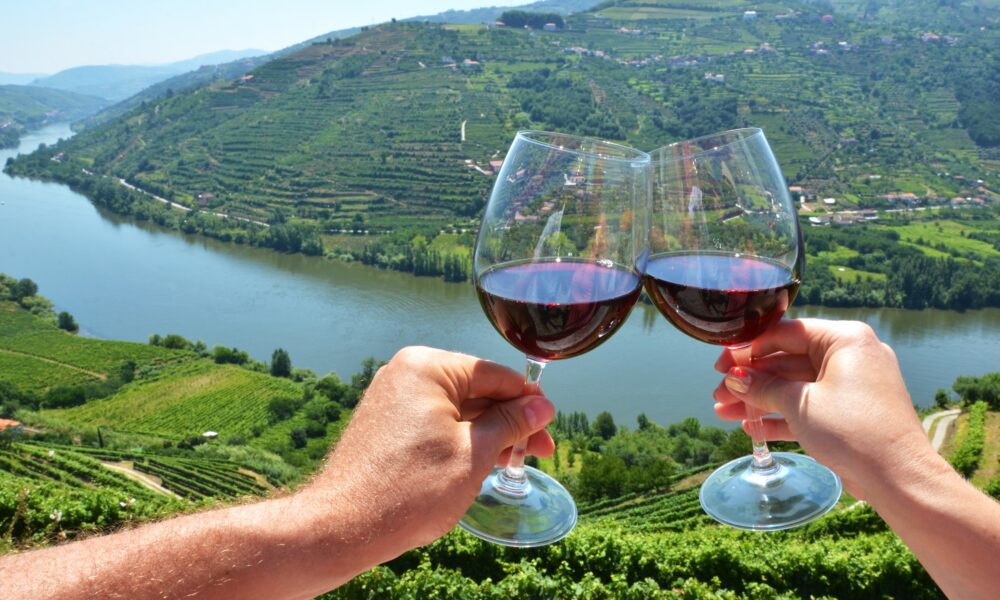
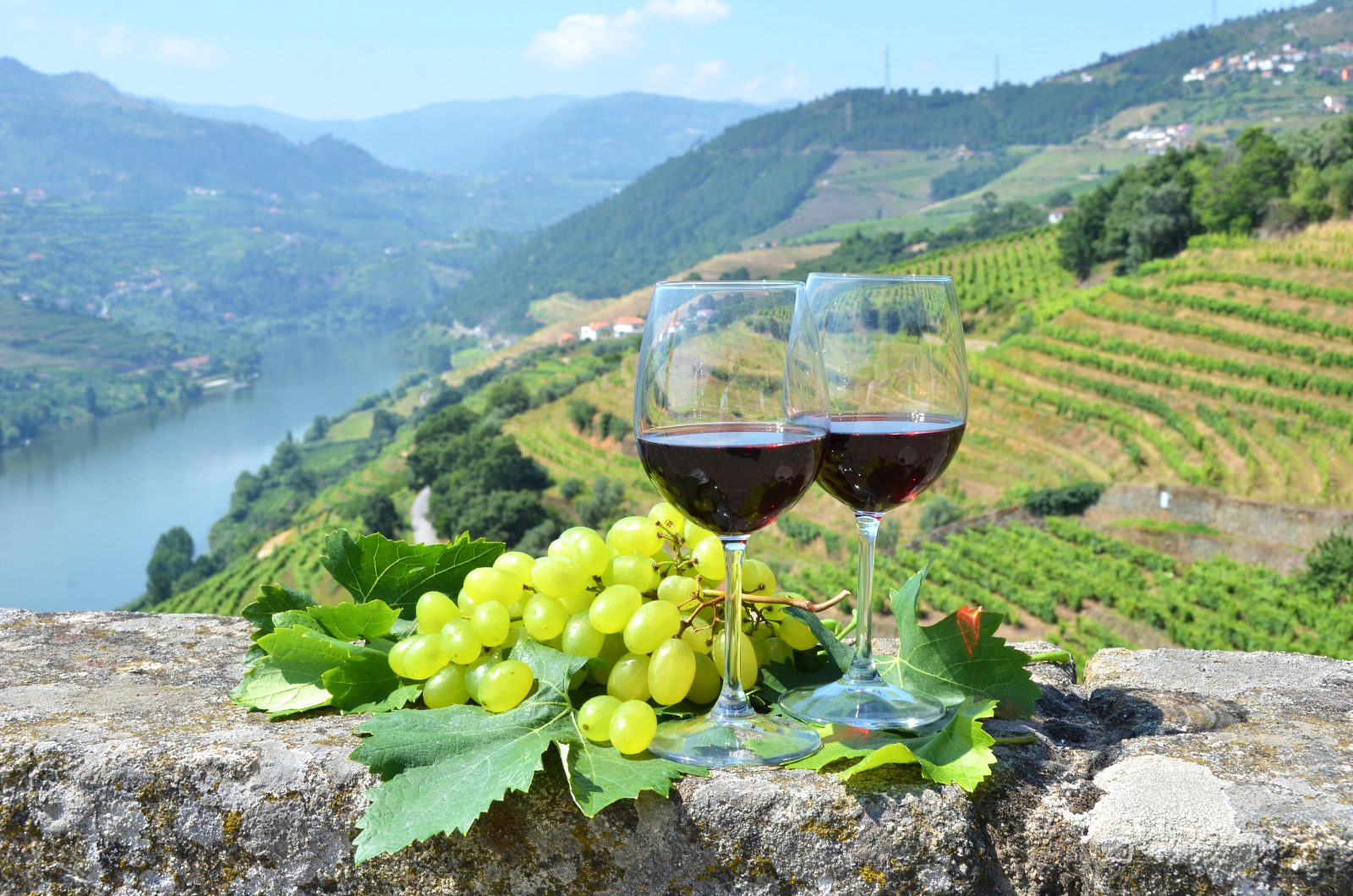
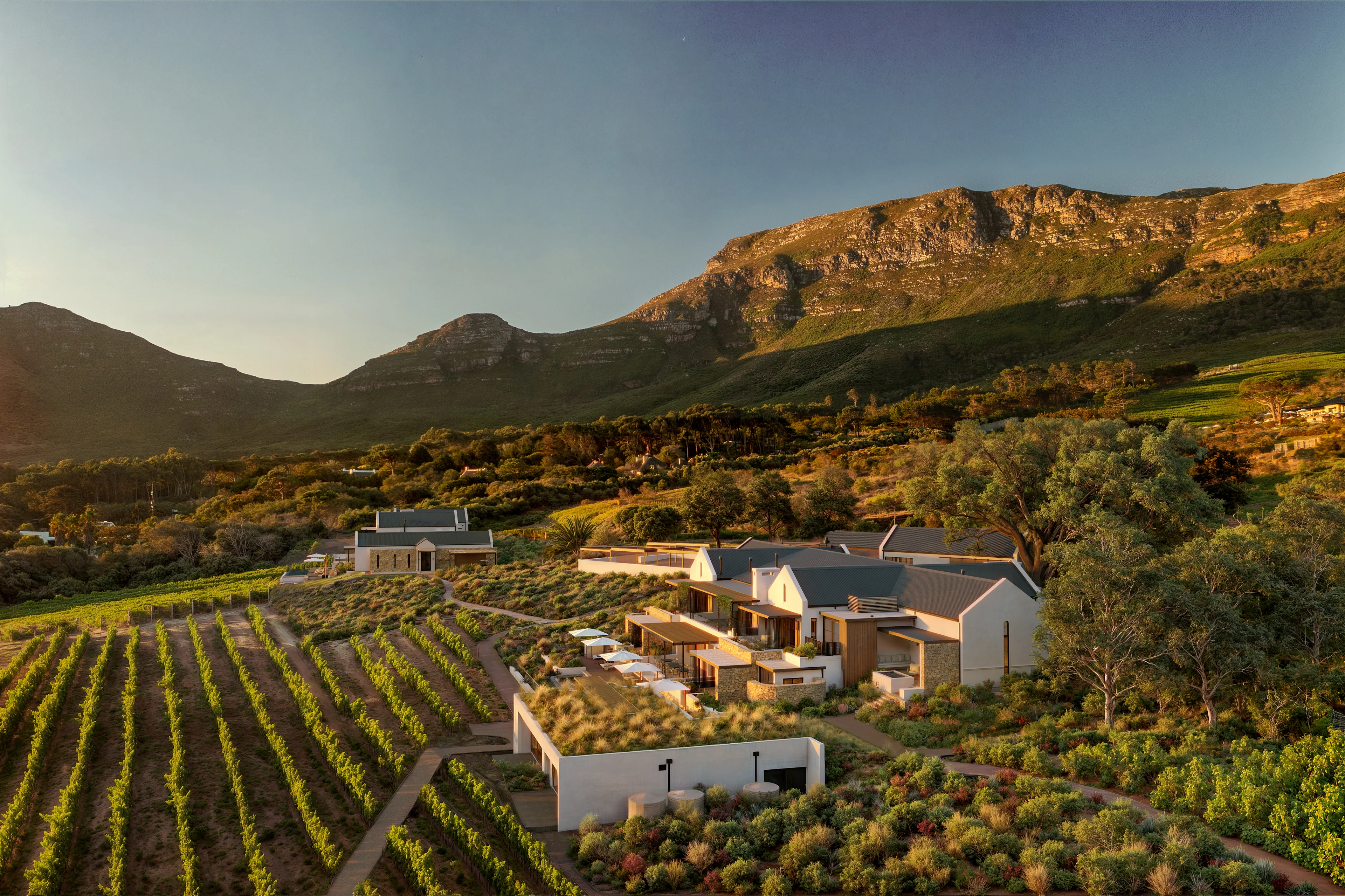
Terraced vineyards along the Douro, port cellars in Porto's riverside district
Compare fares, pick the fit — all bookings are mobile-voucher and eligible for free cancellation where shown.
12 hr
9 hr
1 hr
| Experience | Duration | Rating | Transfers | Skip-the-line | Guide | Free cancel. | Price | |
|---|---|---|---|---|---|---|---|---|
|
Guided Experience
Most popular
Porto, Óbidos & Nazaré Full-Day Tour from Lisbon
|
12 hr | ★ 4.5 | ✓ | ✓ | ✓ | ✓ | $89 | Book → |
|
Guided Experience
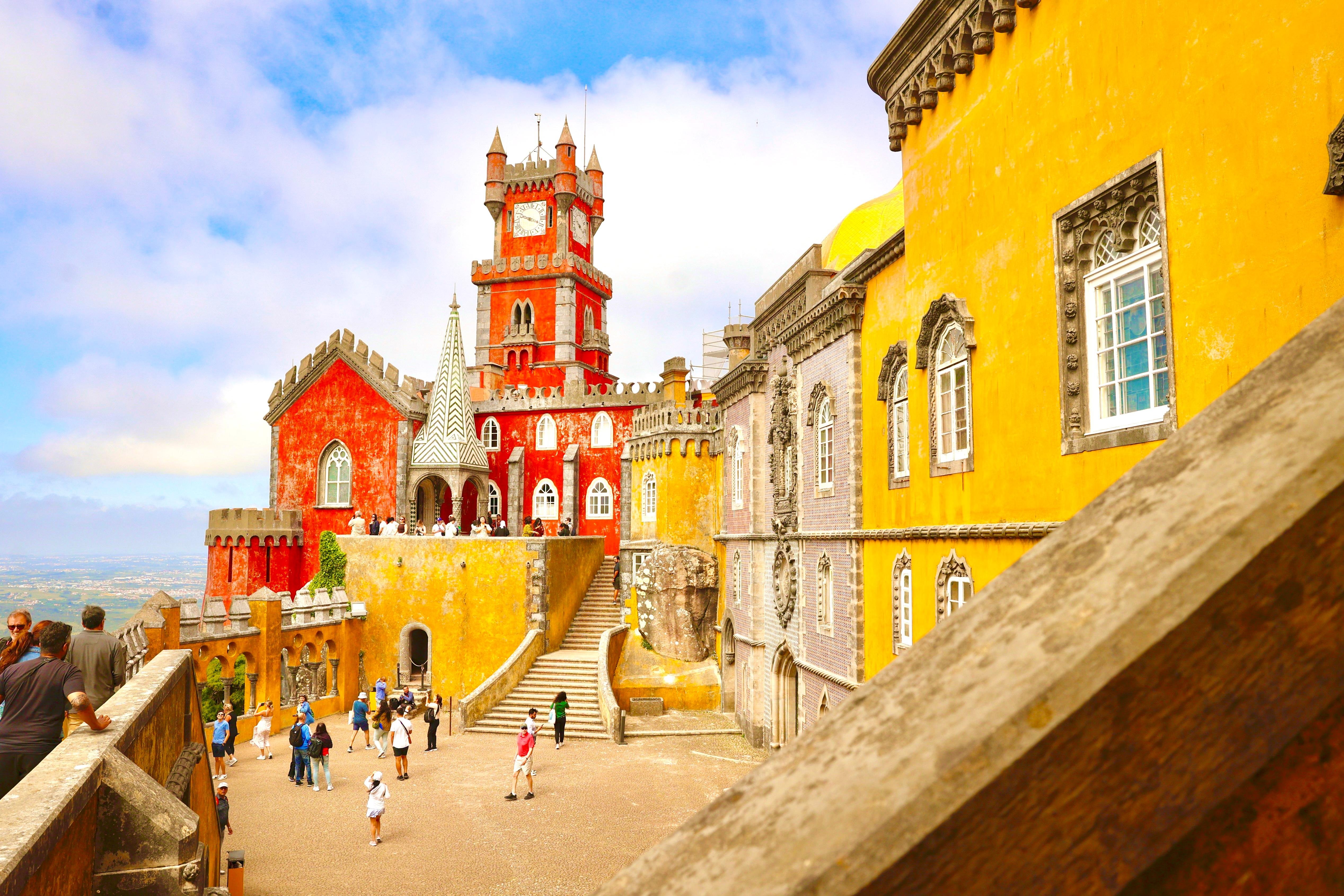
Sintra, Pena Palace, Cascais & Cabo da Roca Day Trip
|
9 hr | ★ 4.9 | ✓ | ✓ | ✓ | ✓ | $86 | Book → |
|
Standard Entry
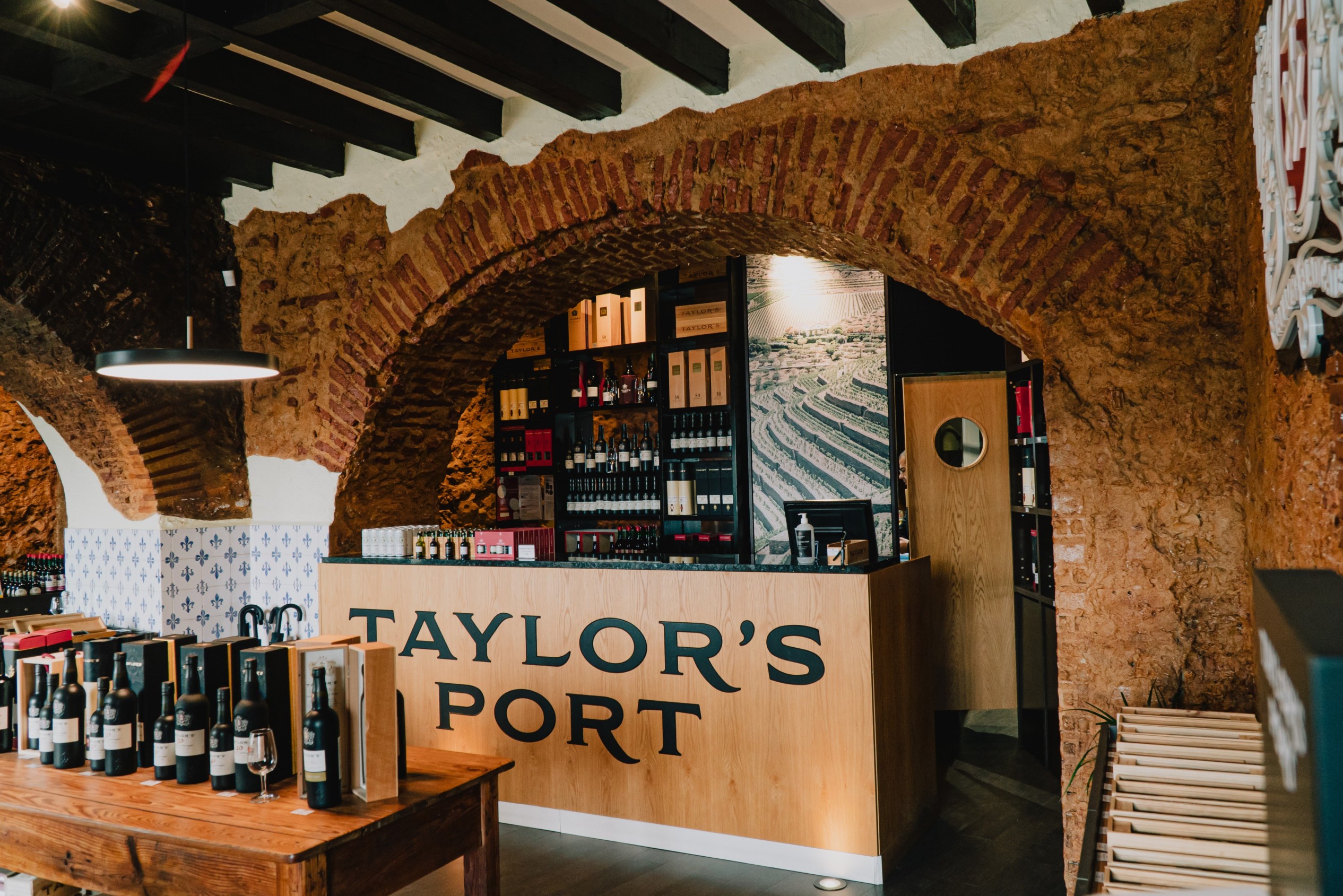
Port Wine Tasting at Taylor's in Alfama
|
1 hr | ★ 4.5 | — | — | — | ✓ | €17 | Book → |
Not worth it from Lisbon—distance kills value
A lisbon to douro valley wine tour requires six hours of driving round-trip to reach Portugal's premier wine region near Porto, leaving minimal time for tastings or terraced vineyard exploration. The Douro Valley itself is free to enter, but organized day trips from Lisbon typically run twelve hours, with most time spent on highways rather than sampling Port wine or cruising the river. Compare that to Lisbon's own wine experiences: Taylor's Port cellars in Alfama deliver authentic fortified wine education in ninety minutes, while Tagus River sunset cruises pair local wines with waterfront views for a fraction of the transit time. The lisbon to douro valley wine tour makes sense only if you're combining it with Porto sightseeing or have already exhausted Lisbon's tasting scene. For first-time visitors prioritizing efficient use of limited days, Sintra's palaces or nearby Óbidos offer better same-day returns than a rushed dash to northern vineyards.
Bottom line: Skip the lisbon to douro valley wine tour tickets unless you're already planning Porto—Lisbon's own tastings deliver better time-to-wine ratios.
They complement each other; most visitors who do both call the Arrábida coastal path the more efficient choice for time-constrained schedules, while the Douro region offers a deeper cultural immersion. Planning a lisbon to douro valley wine tour requires significant travel investment compared to the proximity of the southern estuaries.
|
Top pick Douro Valley Tour |
Arrábida & Sesimbra Tour | |
|---|---|---|
| Travel Time from Lisbon | 3–4 hours each way | 45–60 minutes each way |
| Region Type | UNESCO World Heritage River Valley | Coastal Natural Park |
| Typical Wine Focus | Port and Douro Red | Moscatel and Setúbal Whites |
| Logistical Commitment | Full day, high intensity | Half-day, low intensity |
| Landscape | Terraced vineyards and mountains | Cliffs, ocean, and forested hills |
| Best for | Serious oenophiles and scenery | Casual travelers and beach access |
| See tickets & prices |
Verdict: Choose the Arrábida experience if you prioritize convenience and coastal views, but book your lisbon to douro valley wine tour tickets if you seek the historic heart of Portuguese viticulture.
Hand-picked experiences loved by thousands of travelers
1.5 hours
Free Cancellation
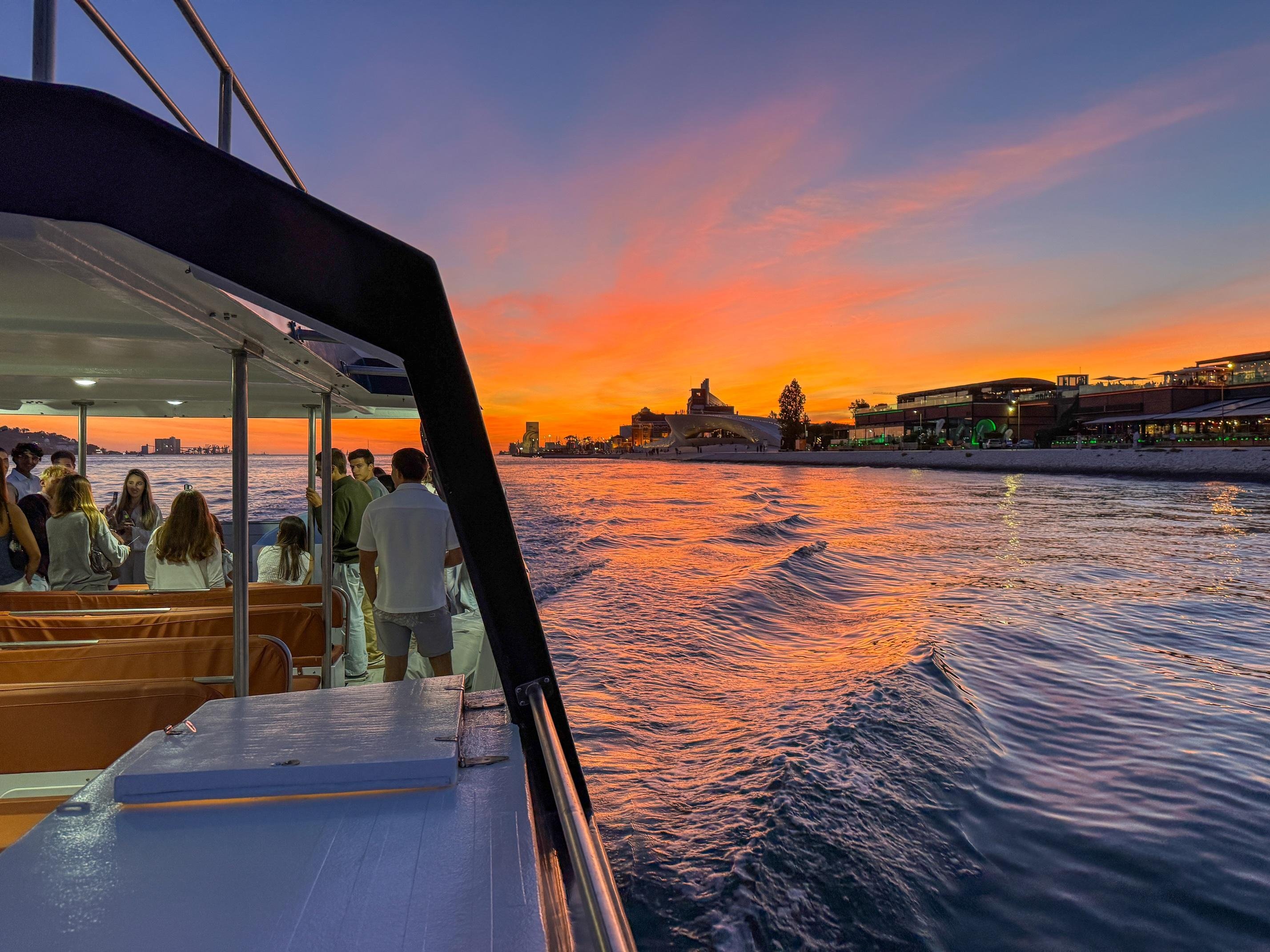
Glide along the Tagus at golden hour with Portuguese wine, passing Lisbon's most stunning landmarks
2 hours
Free Cancellation
Navigate Lisbon's waterfront aboard a traditional sailboat while sipping Portuguese wine and taking in panoramic city views
8 hours
Free Cancellation
Explore stunning coastal landscapes, taste regional wines, and visit a historic fishing village
2 hours
Free Cancellation
Intimate sailboat cruise along the Tagus River with Portuguese wine, historic tales, and golden hour views
2 hours
Free Cancellation
Sample six regional wines paired with artisan cheeses in an intimate pre-opening bar session
9 hours
Free Cancellation
Journey through Alentejo's UNESCO heritage, medieval villages, and vineyard landscapes on this immersive day tour
8 hours
Free Cancellation
Journey through Alentejo's historic treasures with cathedral visits, bone chapel exploration, and wine sampling
6 hours
Free Cancellation
Explore family wineries, savor regional wines, and admire stunning Arrábida landscapes on this customizable day trip
Travel via train or car to the north
Guided tour of traditional wine estates
Sampling local Port and table wines
Traditional Northern Portuguese cuisine
Travel back to the capital
Known for its historic wine production and scenic terrace views over the Douro.
A historic town featuring traditional granite architecture and deep cultural roots.
Focuses on the history, culture, and viticulture of the entire regional landscape.
Considered one of the most scenic rail routes in Europe for river views.
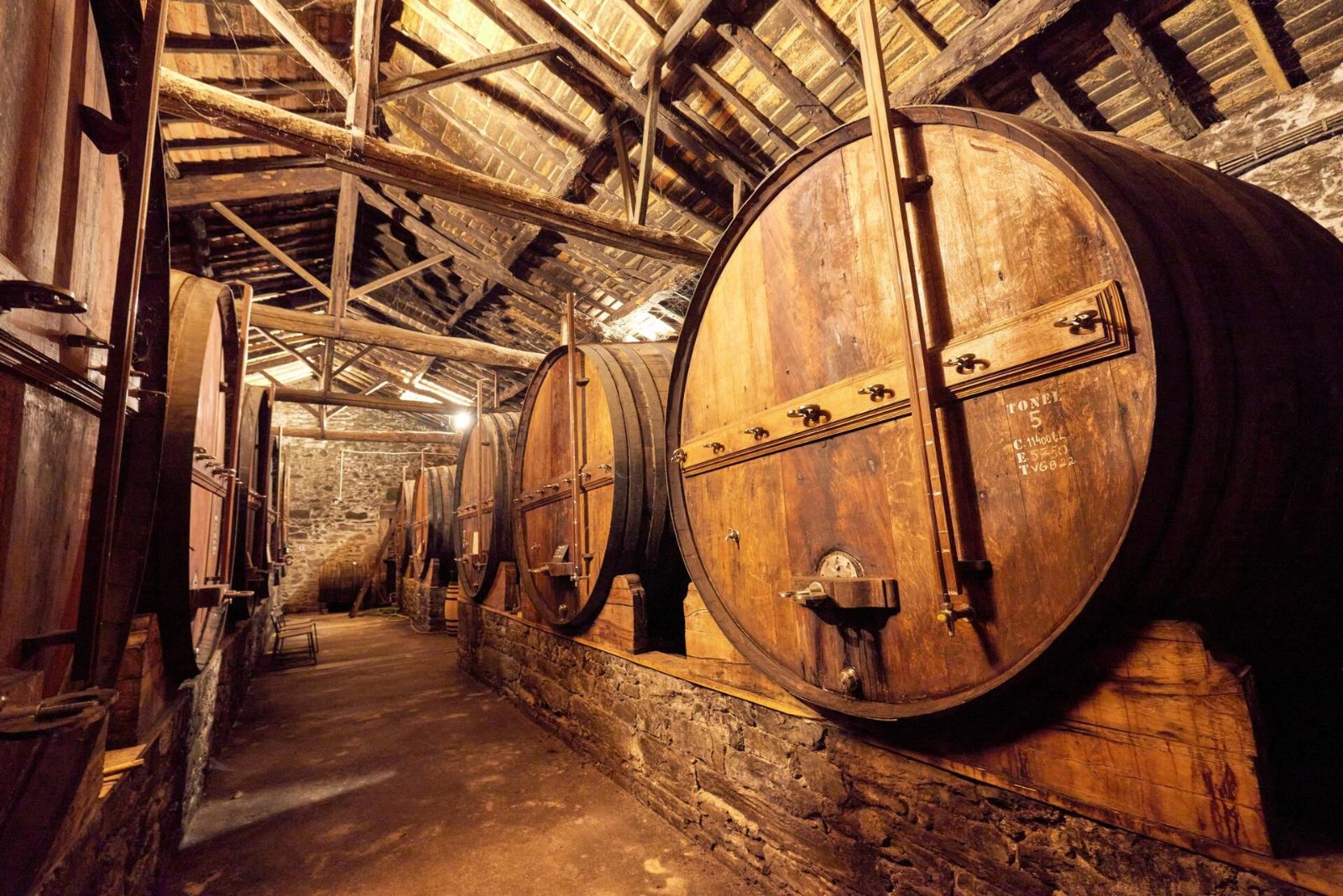
Visit underground spaces where Port wine ages in oak barrels for years.
You depart Lisbon before dawn, crossing the Vasco da Gama Bridge as the Tagus estuary turns pink beneath the span. The highway climbs through eucalyptus groves and cork oak forests, bypassing Coimbra's terracotta rooftops at midmorning.
Three hours north, the landscape shifts abruptly: maritime greenery gives way to schist slopes striped with vine rows, each terrace supported by dry-stone walls that have stood for centuries.
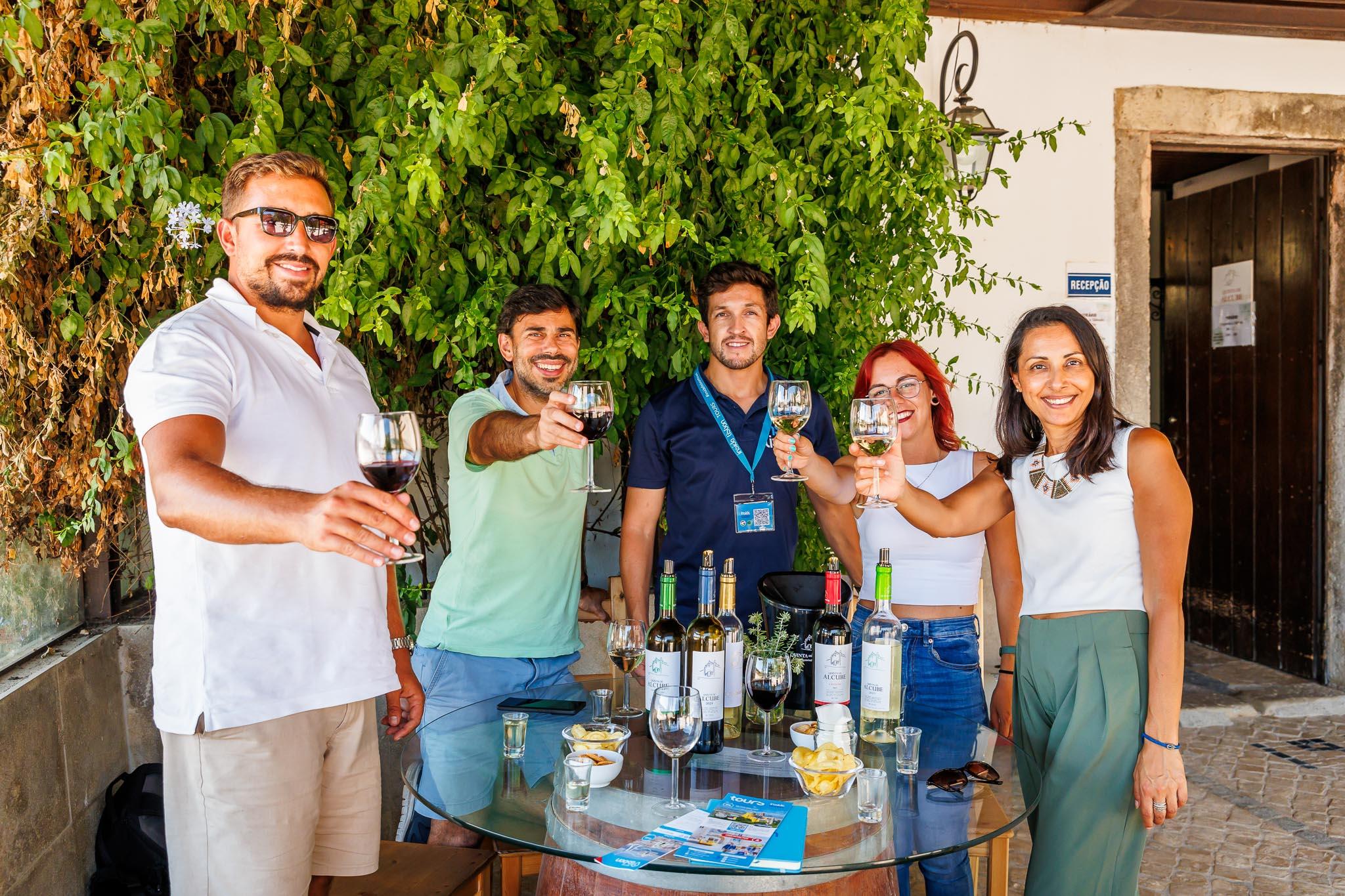
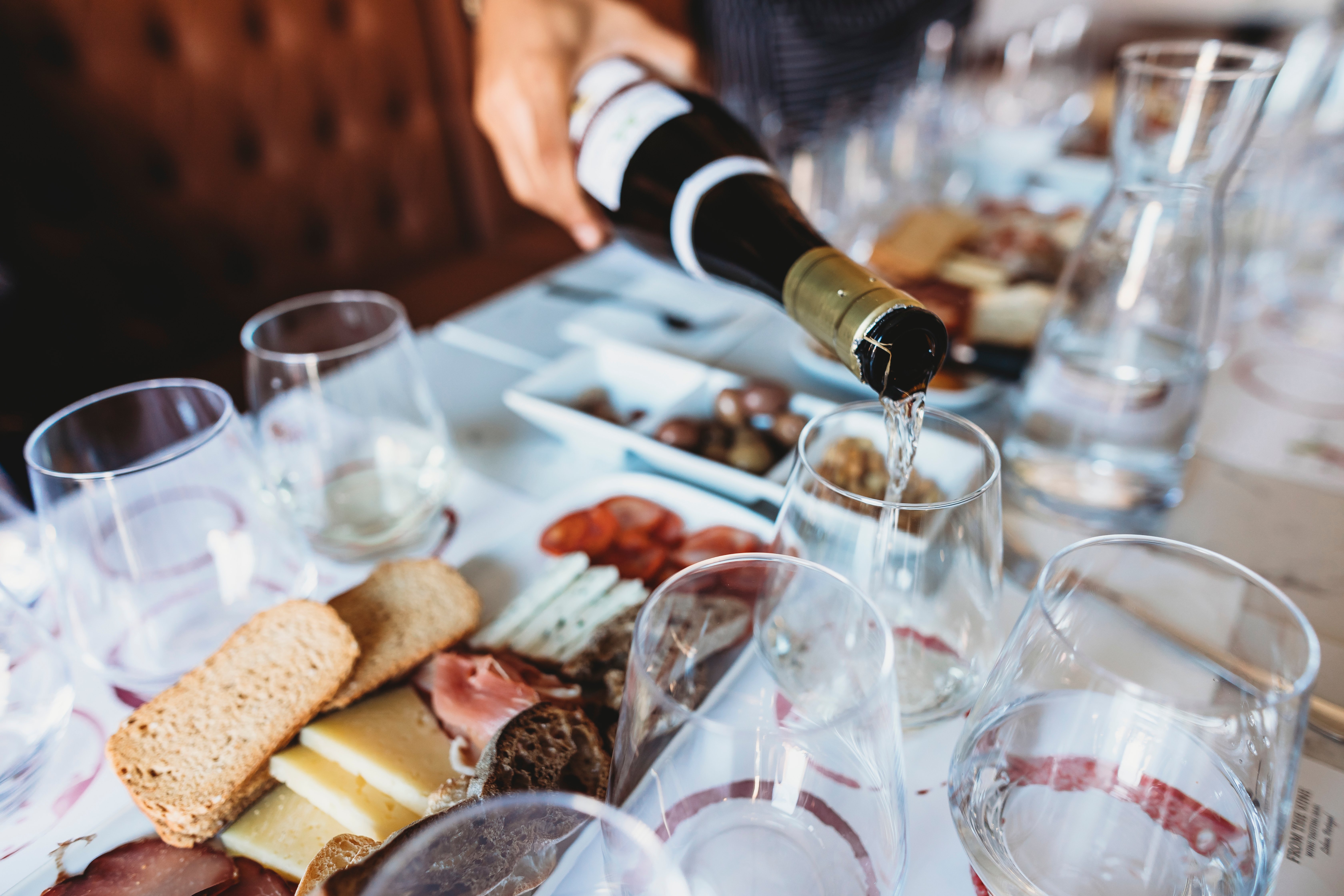
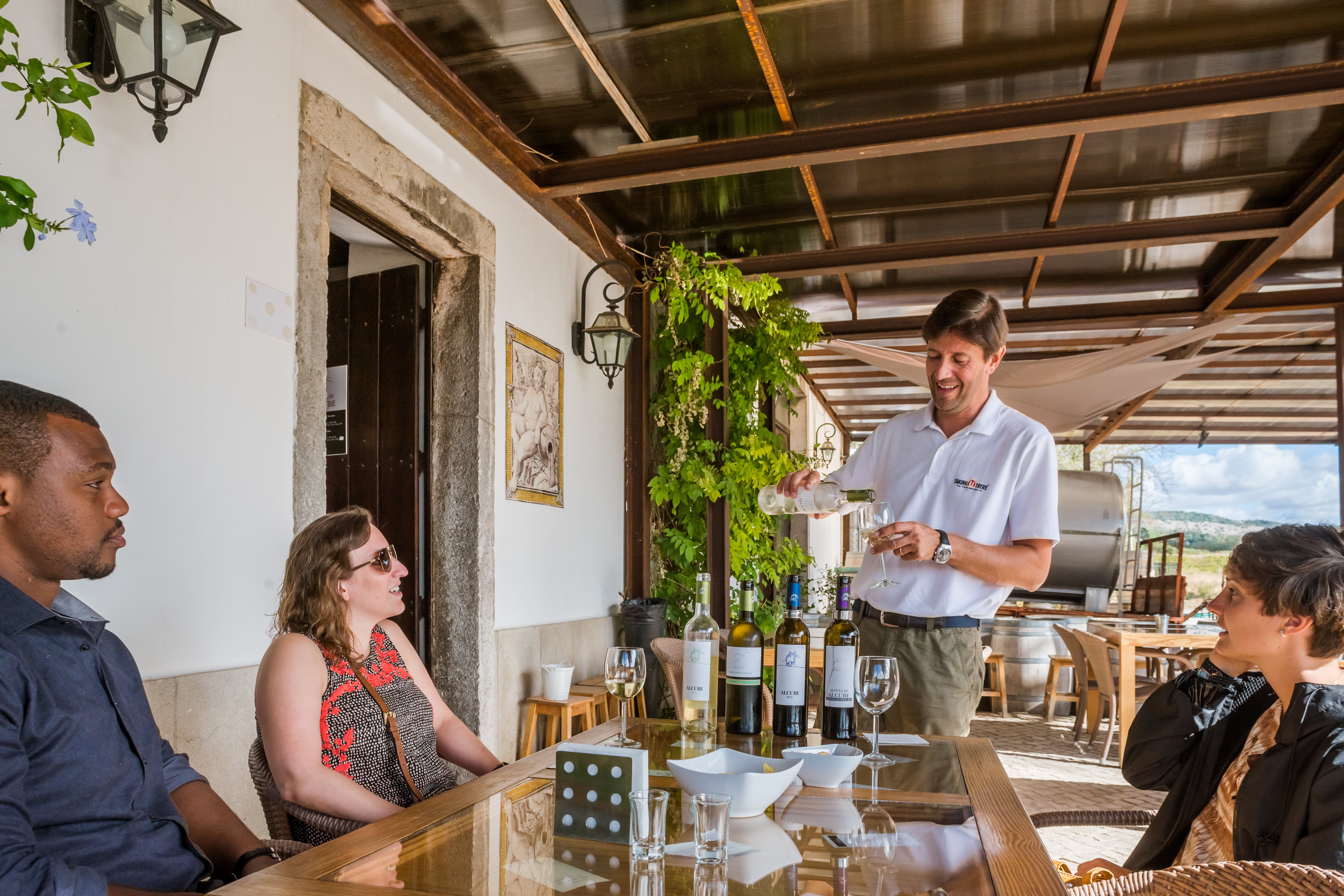
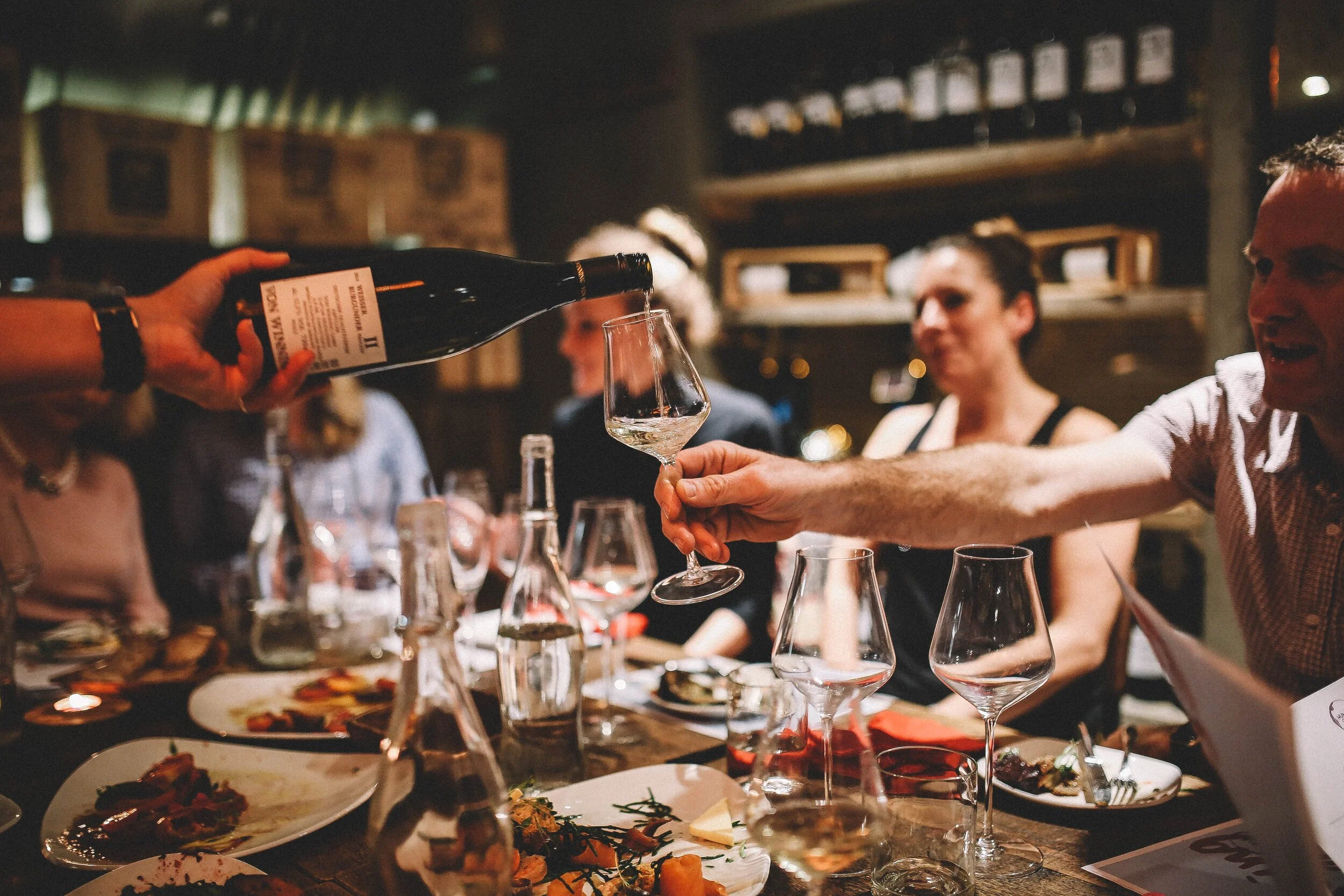
Your first stop is a family-owned quinta above Pinhão, where you walk between head-pruned vines and peer into a stone lagar, its granite basin stained purple from decades of harvest foot-treading. The estate manager pours five wines — three reds from Touriga Nacional, Tinta Roriz, and Touriga Franca, then a ten-year tawny and a late-bottled vintage port. You taste the schist in each glass, a flinty minerality that cuts through the fruit.
After lunch on a terrace overlooking the Douro's meanders, you descend to Vila Nova de Gaia for a lodge tour. Oak barrels line the dim cellars, some inscribed with nineteenth-century dates. The tasting room offers colheita ports from single harvest years, their labels noting decades of cask aging. You return to Lisbon by evening, the terraced valley receding in the rearview mirror as the Atlantic horizon reappears.
All the details about your upcoming adventure in one place
The Douro Valley earned UNESCO World Heritage designation in 2001 for a vineyard landscape shaped by two millennia of human intervention.
Steep schist hillsides rise from the Douro River in terraces that predate the Roman occupation, later formalized by Cistercian monks who planted the first systematic vineyards in the twelfth century. In 1756, the Marquis of Pombal demarcated the region as the world's first protected wine appellation, predating Bordeaux by a century and establishing the regulatory framework that still governs port production today.
The valley's significance extends beyond its historical primacy. Its microclimate — sheltered by the Marão and Montemuro mountain ranges — creates one of Europe's driest wine regions, with summer temperatures exceeding forty degrees Celsius. Over fifty indigenous grape varieties thrive in the schist soil, which retains minimal water and forces roots to penetrate several meters in search of moisture. This geological stress concentrates sugars and produces the fortified wines that built Porto's merchant houses in the eighteenth century. Terraced quintas dot the riverbanks, many still family-operated, their stone lagares used for foot-treading grapes during the September harvest.
Modern Douro Valley wine tours from Lisbon typically involve a three-hour northward drive, crossing the Tagus estuary and skirting Coimbra before entering the demarcated zone near Peso da Régua. The Alto Douro Wine Region encompasses three subzones — Baixo Corgo, Cigo Corgo, and Douro Superior — each distinguished by altitude, rainfall, and grape composition. Visitors encounter both port lodges in Vila Nova de Gaia, across the river from Porto's Ribeira district, and estate tastings at hillside quintas accessible via narrow serpentine roads. The landscape transitions from maritime pine forests to sun-baked terraces within fifty kilometers, a gradient that explains the valley's unparalleled viticultural diversity.
Several Lisbon-based operators pair Douro Valley wine tours with stops in Óbidos or Nazaré, coastal towns that provide contrast to the interior's arid climate. Others focus exclusively on Porto's historic cellars, where wooden barrels store tawny port for decades in temperature-controlled caves. The valley itself remains a working agricultural region, its terraces maintained by seasonal laborers who prune vines by hand each winter and harvest in early autumn. This continuity of practice, visible in the unchanged contours of quincentennial terraces, anchors the valley's appeal as a living archive of pre-industrial winemaking.

The Marquis of Pombal demarcated the Douro in 1756 as the world's first protected wine appellation, predating Bordeaux by a century.
Wear comfortable walking shoes suitable for uneven vineyard terrain. Layers are recommended due to temperature fluctuations between morning and afternoon.
Keep personal belongings secure and limited to a single day bag. Larger luggage may not be accommodated on standard group transport vehicles.
Photography is permitted at all outdoor vineyards and public observation areas. Always request permission before capturing close-up photos of private estate interiors.
While the region welcomes families, most wine estates focus on adult-oriented tasting experiences. Supervise children closely near steep vineyard terraces.
Many historic wine estates feature cobblestones and steep paths which may challenge visitors with limited mobility. Check specific winery accessibility before arrival.
Traditional lunch options are often included in a lisbon to douro valley wine tour. Outside alcohol is generally not permitted during hosted tastings.
Optimal Arrival
09:00–17:00
Address
Douro Valley, Northern Portugal
Terrain
Varied vineyard slopes and historic estates
Weather
Continental climate with seasonal variations
Storage
Limited; travel light on day trips
Region
UNESCO World Heritage cultural landscape
Car · 3.5 hours · Tolls apply
Follow the A1 and A4 motorways north for the most direct route
Public transport · 4.5 hours · Train fare varies
Take the Alfa Pendular train from Santa Apolónia to Porto and transfer
Full refunds are typically available for cancellations made 24 to 48 hours prior to the scheduled departure. Entrance fee is 0 EUR as this is a regional tour experience.
Recommended time
12-14 hours
A comprehensive lisbon to douro valley wine tour requires a full day due to the significant travel distance between the capital and Northern Portugal. While the Douro Valley region is accessible 00:00–23:59, most visitors find that dedicating the entire daylight period ensures sufficient time for scenic exploration and visits to local quintas. Those booking lisbon to douro valley wine tour tickets often prioritize morning transit to enjoy the river landscapes before winery crowds peak in the afternoon. Whether you choose private transport or organized lisbon to douro valley wine tour tours, allow ample time for leisurely tastings and navigation through the winding terraces.
Crowd levels through the day
Weather · crowds · average price — dots go green to amber to red as each metric rises.
Mild temperatures and blossoming vines make for pleasant walking conditions.
Hot and dry weather is ideal for observing active growth cycles in the valley.
September marks the harvest period with vibrant colors across the hillsides.
Quieter period offering an intimate look at the dormant winter vineyards.
High demand for this popular wine region means weekend slots fill months in advance.
The heat in the valley can be intense, especially during the summer months.
Early morning travel often starts cool, but afternoon temperatures rise significantly.
Engage with estate guides to learn about specific soil types and grape varieties.
Trains offer a scenic alternative to driving through the winding mountain roads.
Central meeting points vary by tour operator
Confirm your specific pickup location upon booking
Get directionsThe Douro Valley's wine heritage began in Roman times, when vineyards clung to terraced slopes above the river. By the medieval period, Cistercian monks had formalized viticulture practices that would endure for centuries. The region's transformation into a global wine capital accelerated in 1756, when the Marquis of Pombal demarcated the Douro as the world's first legally protected wine region—predating Bordeaux and Burgundy by more than a century. This decree established geographic boundaries, regulated grape varieties, and created a quality framework that still governs Port production today. The 18th and 19th centuries saw British merchants establish lodges in Vila Nova de Gaia, where Port aged in oak casks before export. The phylloxera epidemic of the 1860s devastated European vineyards, forcing growers to replant with American rootstock—a near-disaster that paradoxically modernized the valley's viticultural methods. Families like the Symingtons and the Fladgates invested in terraced estates, some of which remain operational quintas on a lisbon to douro valley wine tour itinerary. Rail construction in the 1880s replaced the dangerous barco rabelo river transport, opening the valley to broader commerce and tourism. UNESCO inscribed the Alto Douro Wine Region on the World Heritage List in 2001, recognizing its engineered landscape of stone-walled terraces and century-old vines. Today, the valley produces not only fortified Port but also robust table wines—reds from Touriga Nacional and Tinta Roriz, whites from Viosinho and Gouveio. Visiting a Douro winery reveals these layers: Roman fermentation tanks at archaeological sites, 18th-century pressing lagares still in use, and contemporary gravity-flow cellars. The region remains a living archive of winemaking evolution, where traditional foot-treading coexists with temperature-controlled stainless steel.
Romans plant terraced vineyards along the Douro River, establishing the valley's viticultural foundations.
Marquis of Pombal demarcates the Douro as the world's first legally protected wine region, predating French appellations.
Phylloxera epidemic destroys native vines; replanting with American rootstock forces modernization of cultivation techniques.
Douro Railway opens, replacing dangerous barco rabelo river transport and connecting quintas to Porto's export lodges.
Cooperative wineries form across the valley, democratizing Port production beyond British merchant houses.
UNESCO inscribes the Alto Douro Wine Region as a World Heritage cultural landscape for its engineered terraces.
Douro producers expand beyond Port into premium table wines, attracting lisbon to douro valley wine tour participants year-round.
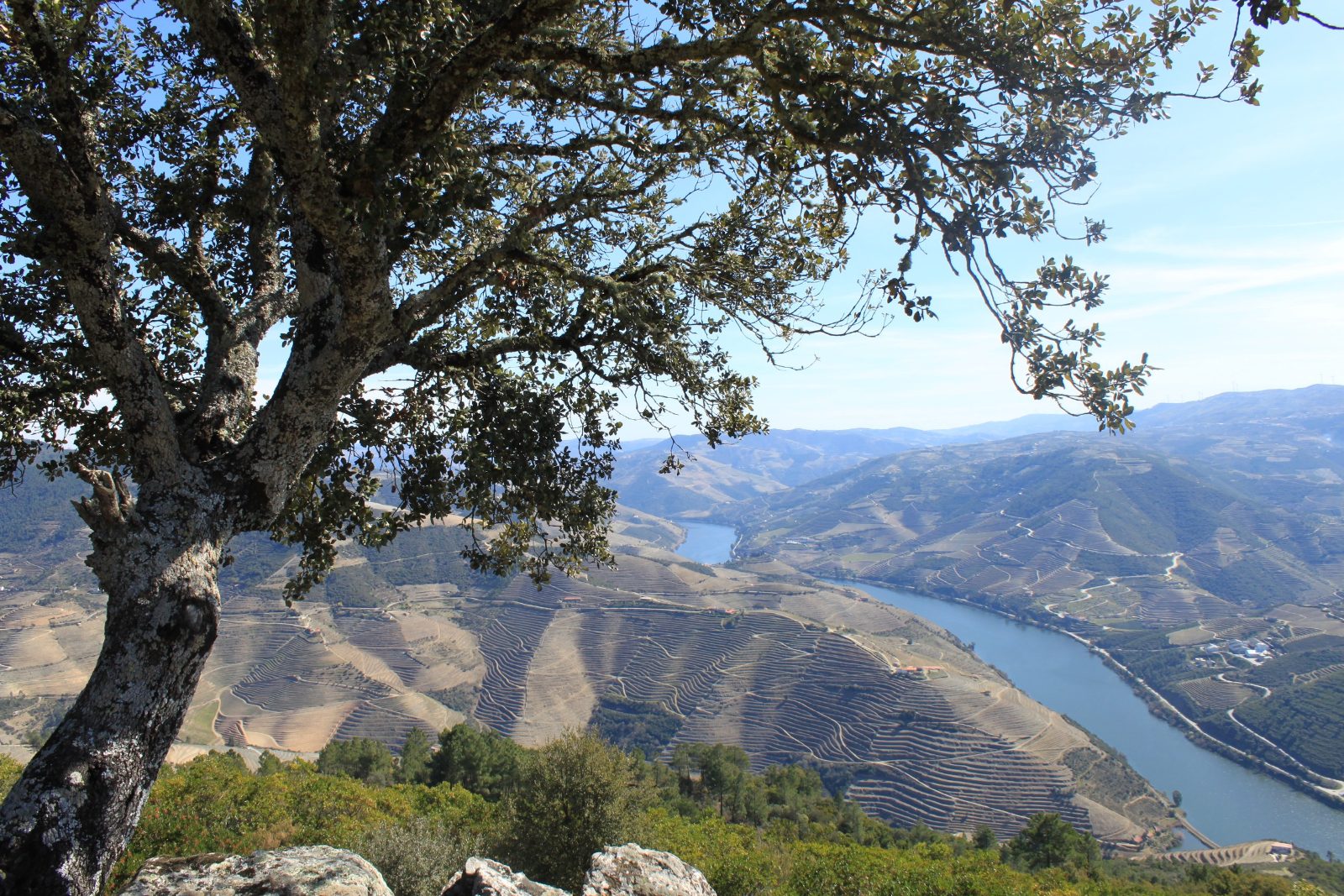
This viewpoint offers a classic panoramic look at the river winding through terraced slopes. Stand near the stone wall for an expansive frame of the valley during your lisbon to douro valley wine tour.
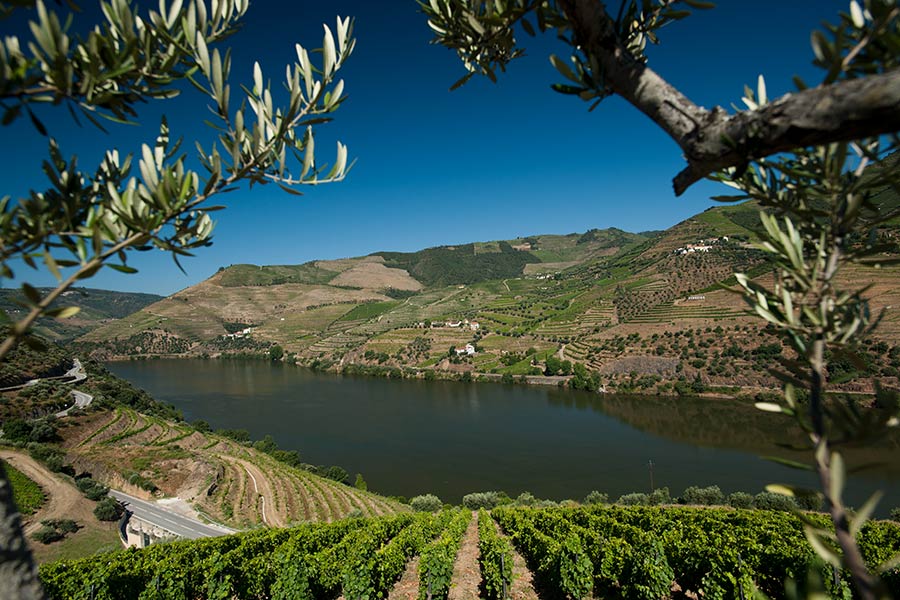
Position your camera to capture the dramatic shift in topography where the hills descend toward the Douro River. This location serves as a highlight for those exploring regional excursions via lisbon to douro valley wine tour tours.
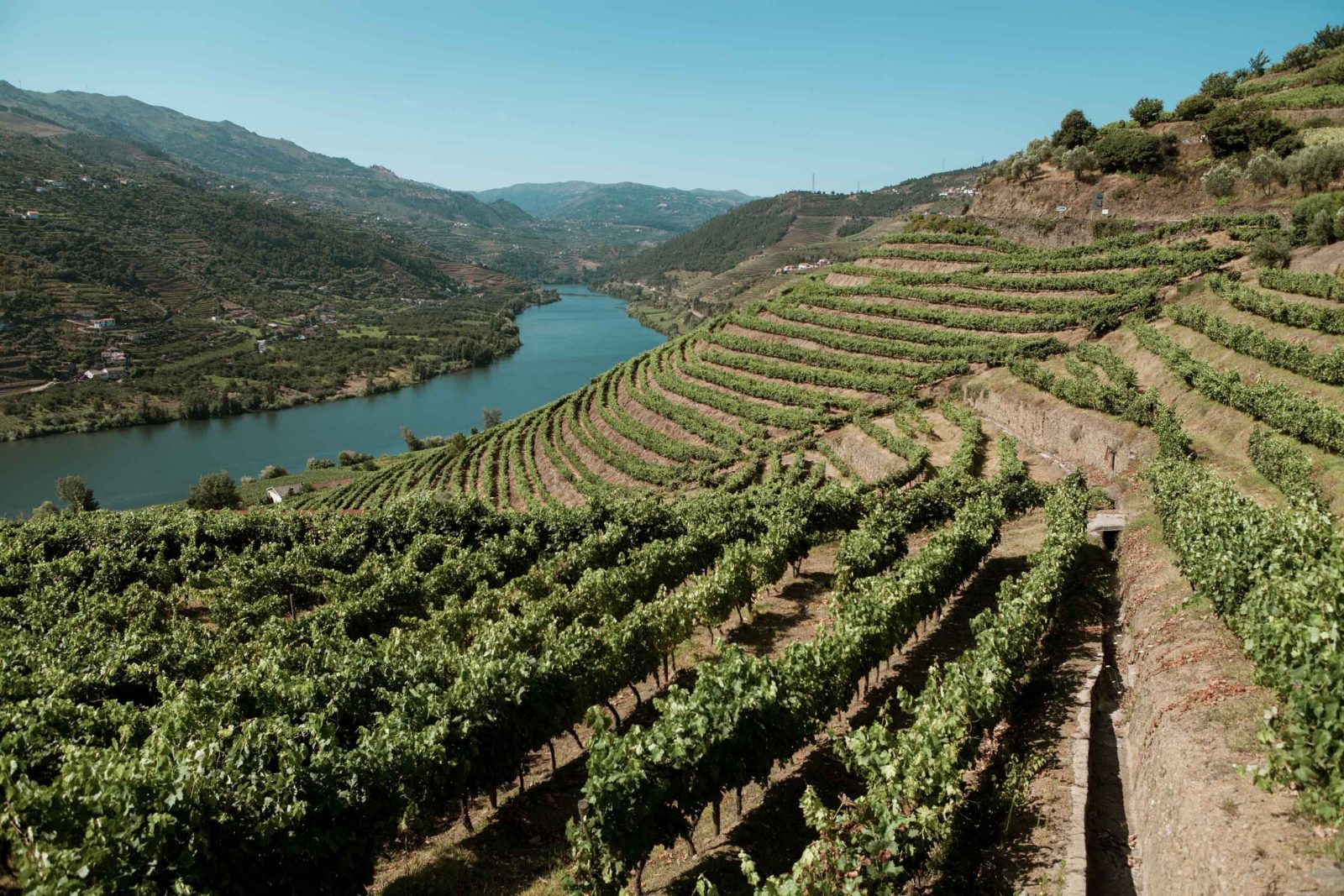
Focus on the rhythmic patterns of the vine rows leading toward the winery estate buildings. Visitors often book lisbon to douro valley wine tour tickets to access these elevated vineyard perspectives.
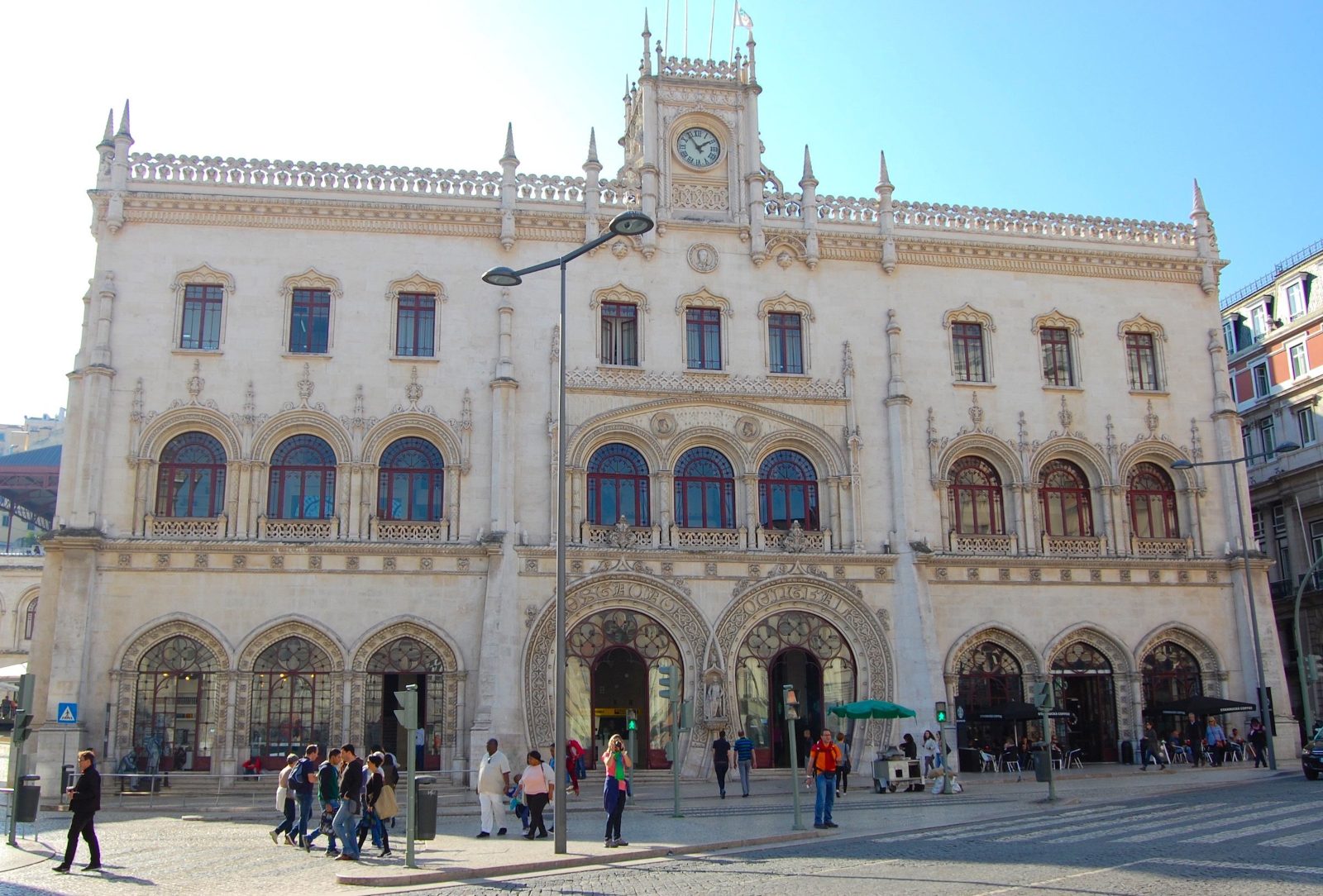
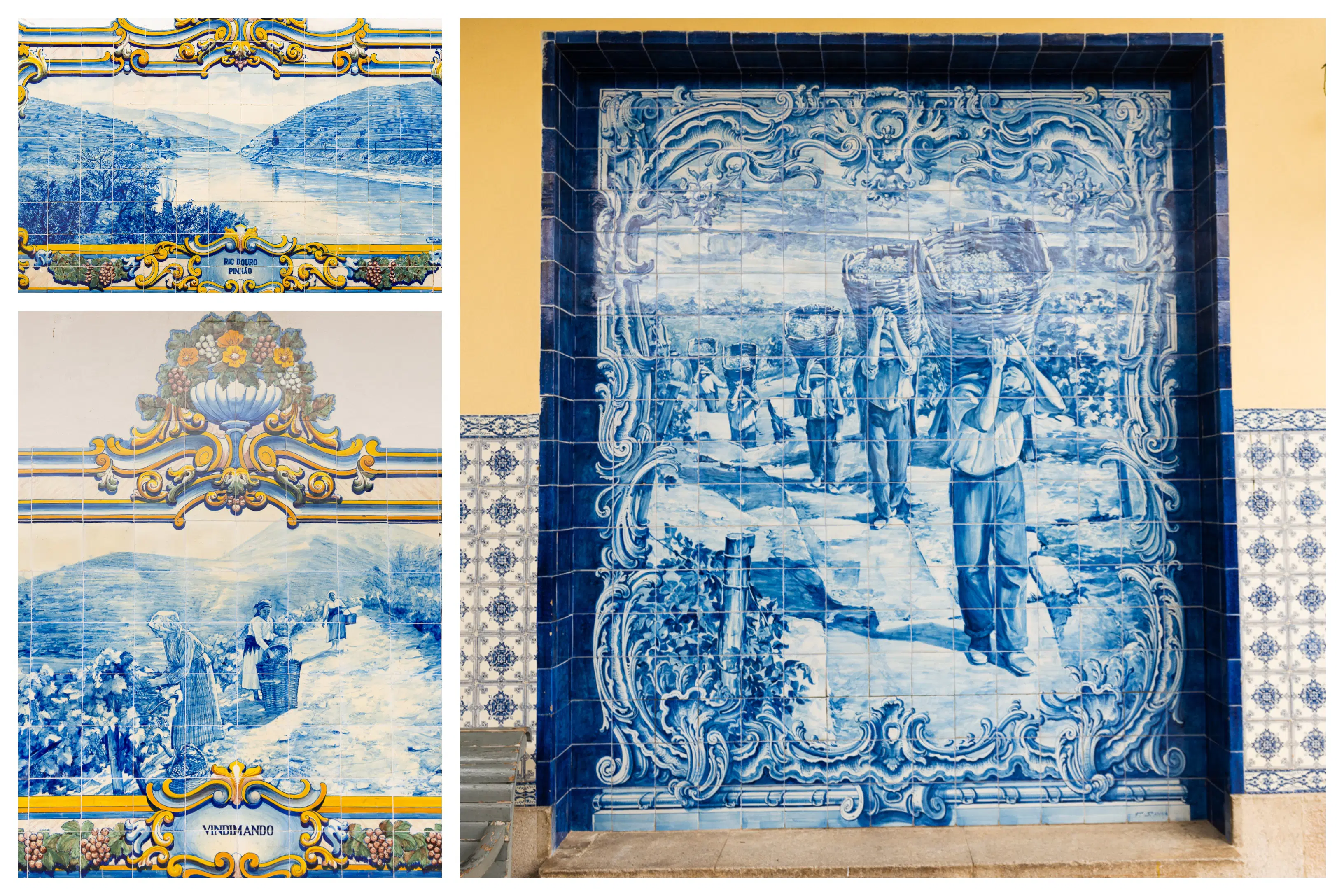
Capture the detailed blue and white azulejo tiles depicting rural harvest scenes on the station exterior. This stop is frequently included in a typical lisbon to douro valley wine tour tour.
Planning a lisbon to douro valley wine tour requires balancing long travel times with the region's expansive outdoor nature. Families can enjoy the scenic landscapes and vineyard estates that define Northern Portugal.
Due to uneven vineyard terrain and terraced hillsides, a lightweight carrier is far more practical than a stroller for your lisbon to douro valley wine tour tours. Most wine estates in this Northern Portugal region feature rustic, unpaved paths that are difficult to navigate with wheels.
Baby-change facilities are not standardized across all rural properties, so arrive prepared with a portable changing mat. Many wineries in the region lack dedicated family restrooms, making a well-stocked diaper bag essential for your lisbon to douro valley wine tour tickets.
Given the distance, plan for frequent breaks during your lisbon to douro valley wine tour tour to keep children comfortable. The best arrival window is 09:00–17:00, which allows for a relaxed pace between port wine estates without rushing.
While visiting Douro Valley landmarks, confirm in advance if the specific winery offers child-friendly menus or picnic areas. Since entrance fee is 0 EUR, you have flexibility to pack snacks and enjoy them at public viewpoints throughout the river valley.
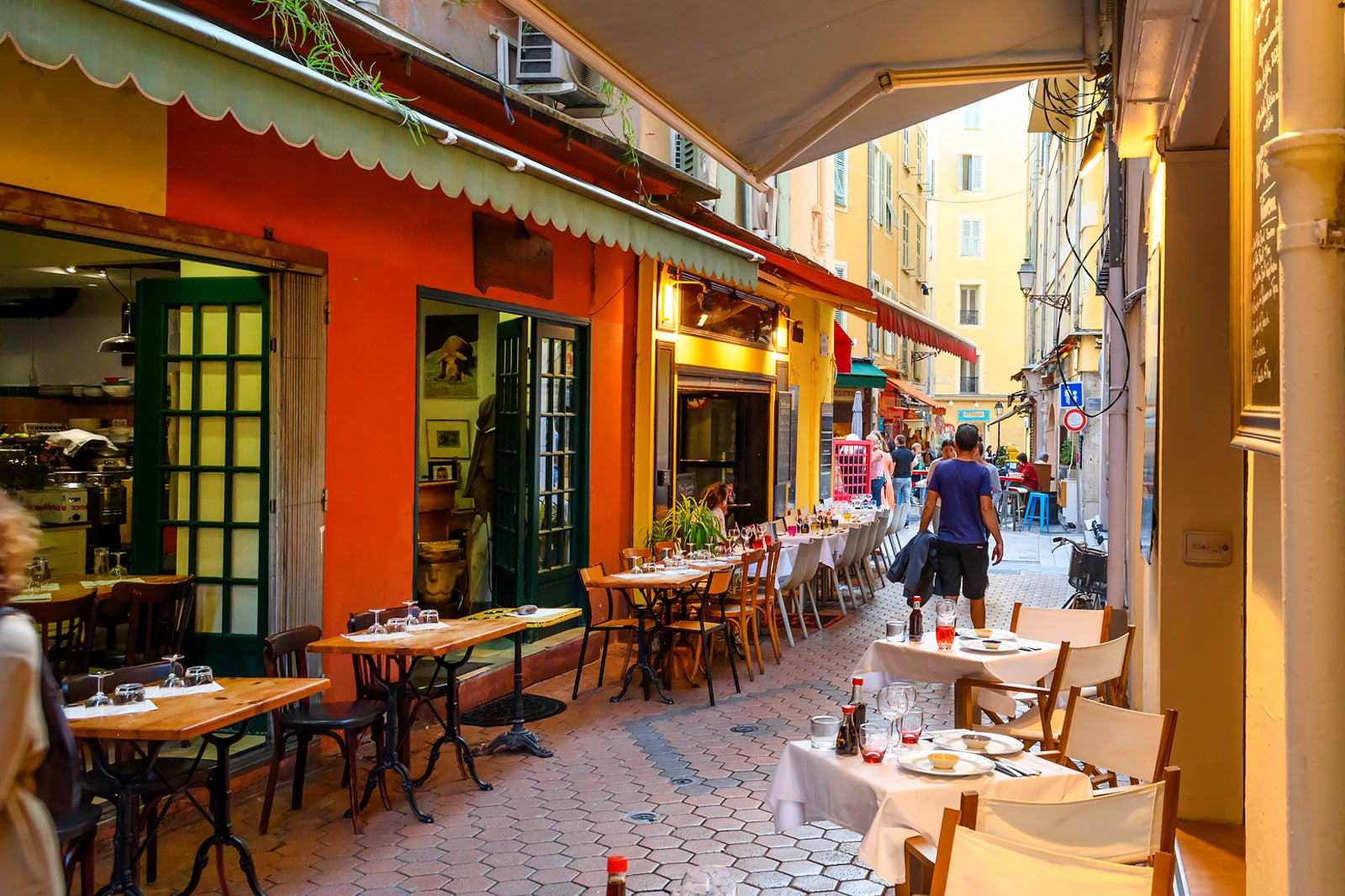
Dining options near your lisbon to douro valley wine tour are often integrated into estate properties, offering traditional Portuguese cuisine paired with local vintages. Whether you book lisbon to douro valley wine tour tours or independent lisbon to douro valley wine tour tickets, planning for lunch at a vineyard is recommended for the best experience.
Located on the riverbank, this venue serves refined dishes that highlight regional Douro produce. It is a popular choice for those seeking a premium meal after a lisbon to douro valley wine tour tour.
This historic estate offers a dining room inside a working winery where visitors can taste local Port and table wines. The menu features seasonal ingredients sourced directly from the Northern Portugal landscape.
Situated in a renovated railway warehouse, this spot provides a modern atmosphere for sampling regional gastronomy. It serves as an accessible dining stop during your excursion through the valley.
Everything you need to know for your journey
It is highly recommended to book your lisbon to douro valley wine tour in advance to ensure availability.
The best arrival window is 09:00–17:00 to maximize your time among the vines.
Tastings typically require visitors to be of legal drinking age in Portugal.
Yes, you can explore the Douro Valley independently, though guided tours provide easier transit.
A comprehensive lisbon to douro valley wine tour usually consumes a full day due to travel time.
Yes, you may take photos of the scenery and public areas at your lisbon to douro valley wine tour.
Wear comfortable, layered clothing and sturdy shoes suitable for vineyard terrain.
Entry fee is 0 EUR since the valley is a public region rather than a gated site.
You can travel by car or train; a lisbon to douro valley wine tour often includes arranged transit.
Accessibility varies, so check specific estate details before your lisbon to douro valley wine tour.
Autumn is popular for the harvest, while spring offers mild, comfortable weather.
The primary waterway shaping the valley's viticulture and transport.
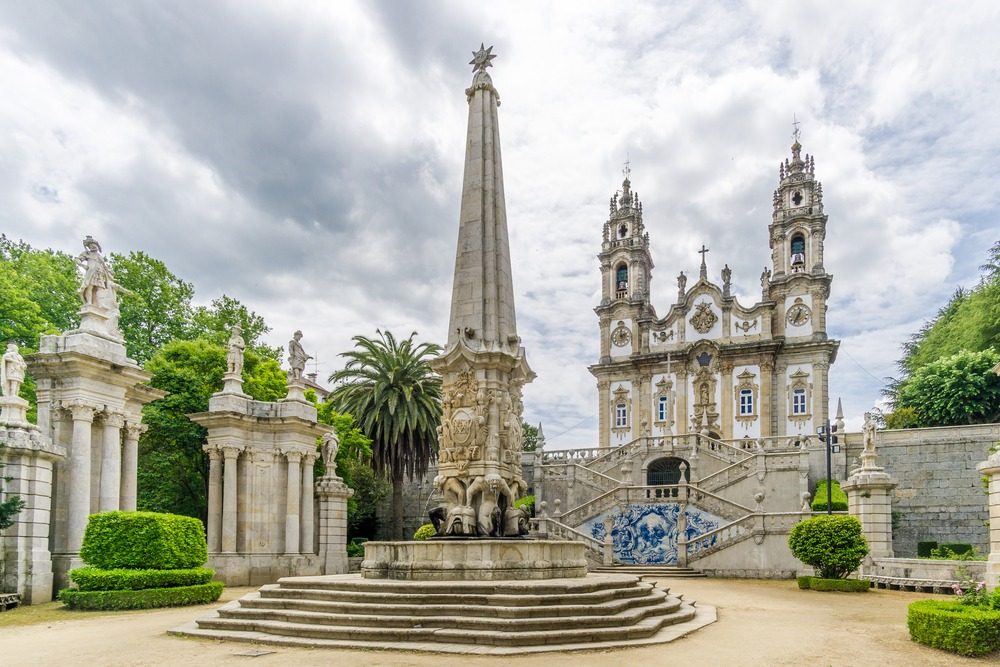
Iconic baroque sanctuary overlooking the town of Lamego.
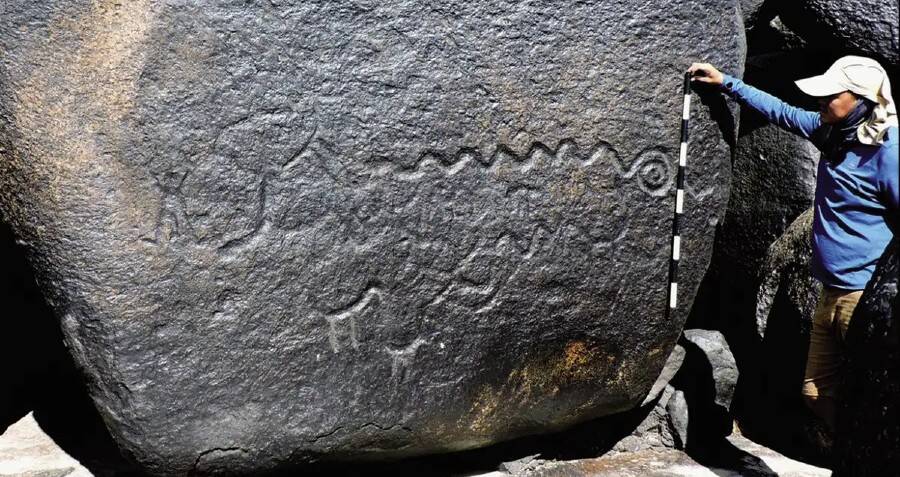
Extensive rock art site reflecting ancient human history.
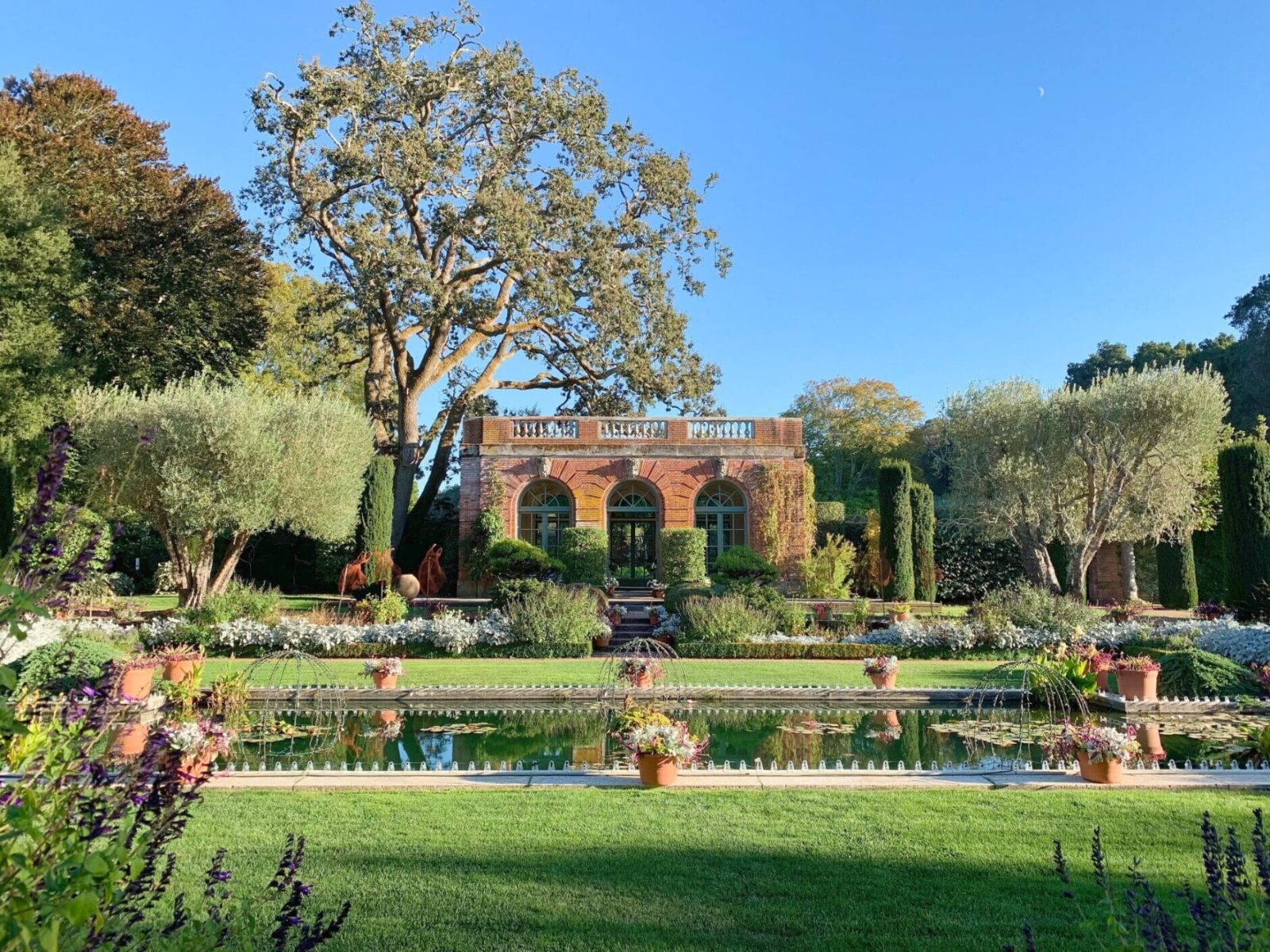
Famous historic manor known for its gardens and architecture.
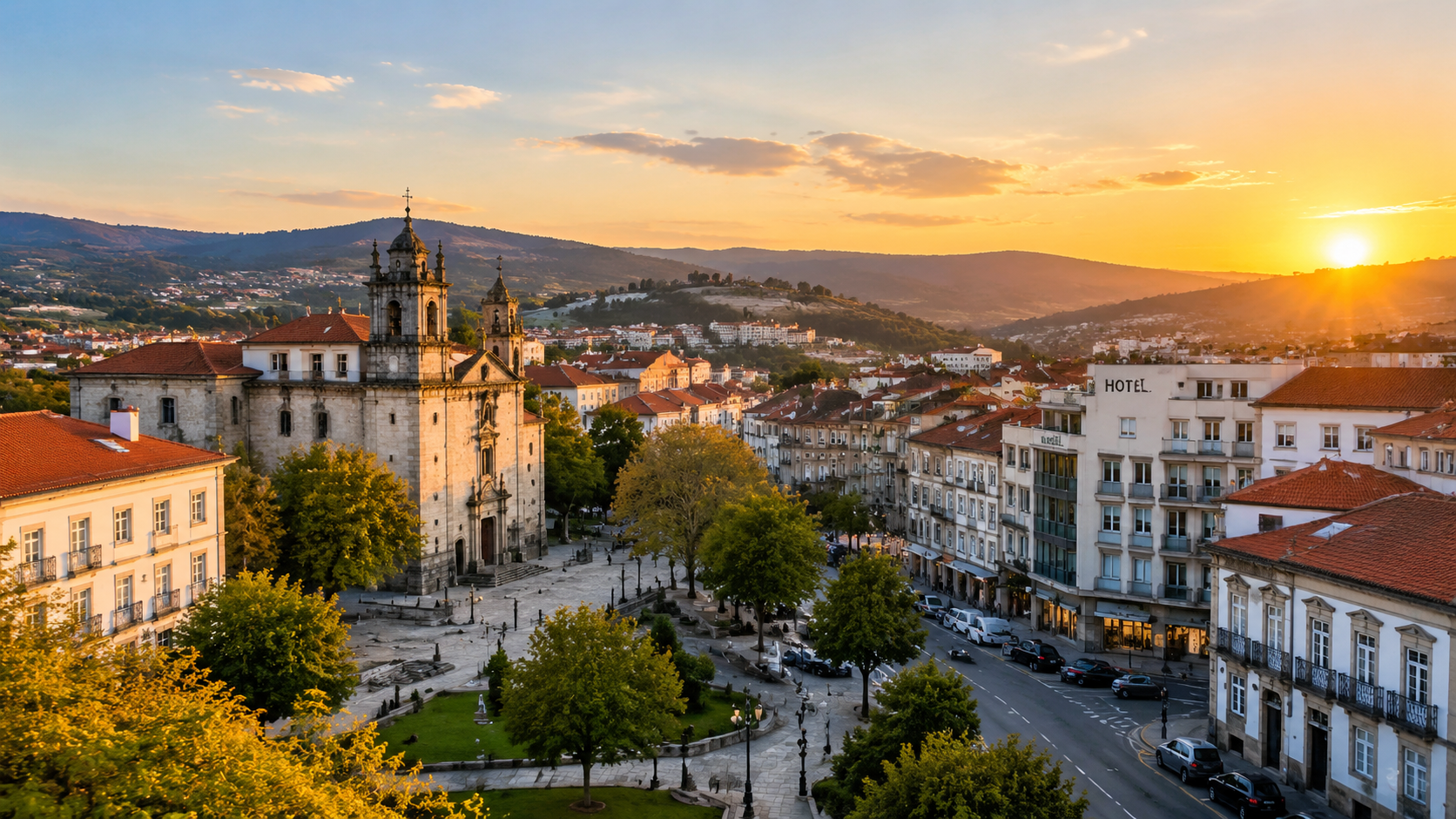
Central city offering a range of mid-range hotel options.
Exclusive properties located directly along the water.
Authentic vineyard estates providing immersive guest stays.
Join thousands of happy travelers who have discovered this incredible experience
Book Your Experience Now