2 hr
Tagus River Sailing Experience with Wine
- Entry ticket
- Mobile voucher
- Valid same day
- Free cancellation
Lisbon Wine Tasting Day Trip — Vineyards, Cruises & Cellars
Portuguese terroir meets river views, cellars hold centuries in oak.
Compare fares, pick the fit — all bookings are mobile-voucher and eligible for free cancellation where shown.
2 hr
1 hr 30 min
45 min
Selecting the right lisbon wine tasting day trip depends on your preference for an urban sommelier-led session or an immersive countryside vineyard visit. These curated experiences offer unique ways to explore local viticulture and Portuguese wine traditions.
|
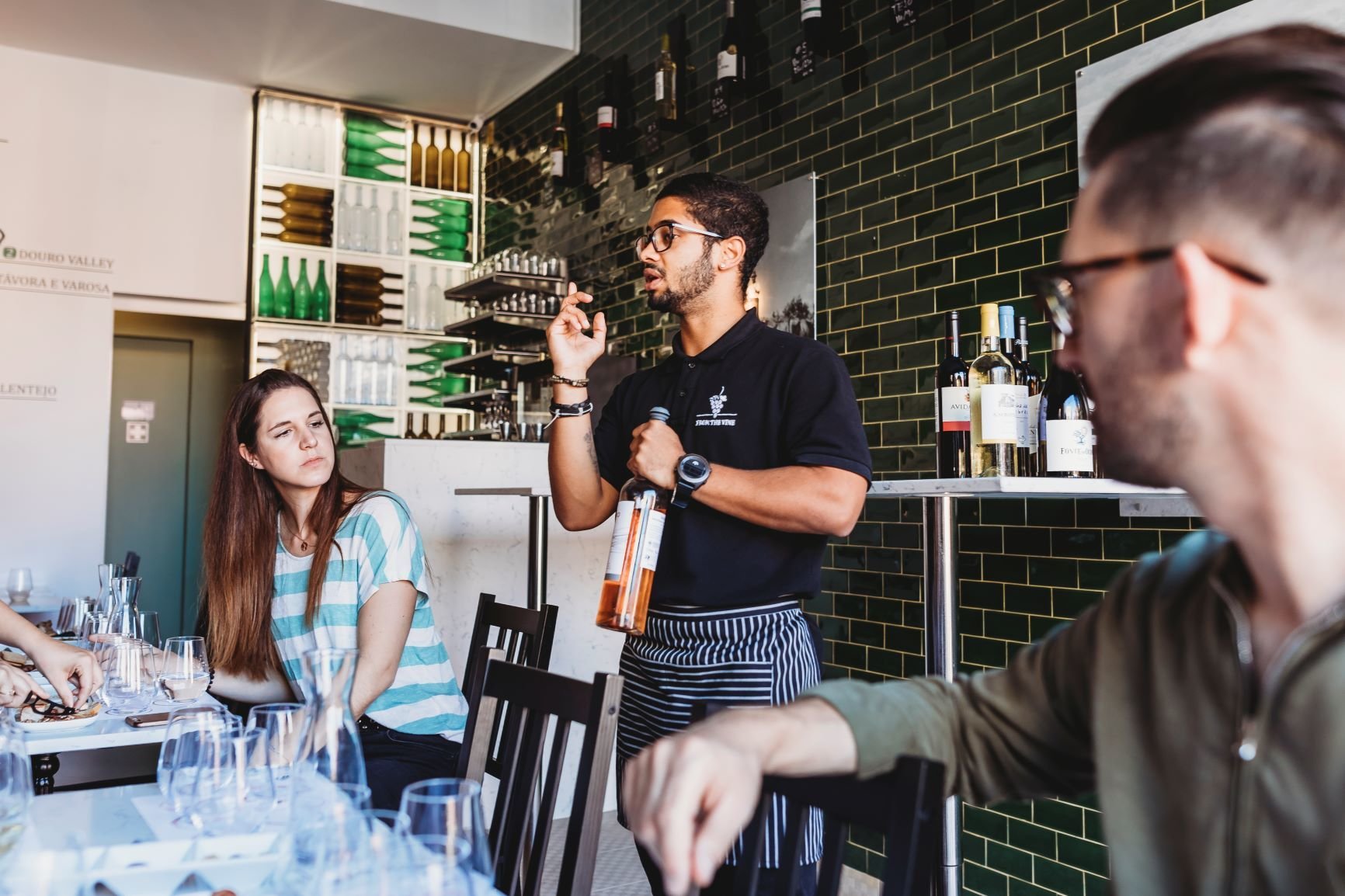
Top pick Premium Portuguese Tasting Urban Sommelier Session |
Deluxe Wine Tasting Extended Pairing & Flight | |
|---|---|---|
| Duration | 1.5–2 hours | 2–2.5 hours |
| Wine selection | 5 top boutique wines | Premium flight plus reserve labels |
| Food pairing | Artisanal cheese and charcuterie | Deluxe cheese and charcuterie boards |
| Setting | Central Lisbon tasting room | Exclusive curated atmosphere |
| Best for | First-time visitors | Oenophiles seeking depth |
| See tickets & prices |
Verdict: For the best lisbon wine tasting day trip tour experience, choose the Premium session if you are a first-time visitor, or opt for the Deluxe package for a more extensive flight and pairing.
Worth it for wine enthusiasts, optional for casual visitors
A lisbon wine tasting day trip delivers strong value if you want structured access to Portugal's wine regions and expert-led context. Full-day excursions to Arrábida Natural Park pair vineyard visits with coastal scenery, while urban alternatives like the Portuguese Wine & Cheese Tasting Experience with Lunch offer curated multi-region sampling without travel time. Port wine tasting at Taylor's in Alfama brings the Douro Valley tradition into the city at lower cost. The trade-off: regional day trips immerse you in terroir and winemaking estates but require six to eight hours and higher spend; in-city tastings sacrifice the vineyard atmosphere but cost less and fit tighter schedules. Tagus River cruises add leisurely wine service with sunset views, though they prioritize ambiance over educational depth. For serious oenophiles, lisbon wine tasting day trip tours to production areas justify the investment. Casual drinkers get better value from compact urban sessions that cover Portugal's denominações without the commute.
Bottom line: Book a regional excursion for immersive terroir experience; choose in-city lisbon wine tasting day trip tickets for efficient, lower-cost sampling.
They complement each other; most visitors who do both identify the lisbon wine tasting day trip as the more immersive choice, while in-city sessions excel in convenience. Choosing the right lisbon wine tasting day trip tour allows you to explore regional terroir, whereas urban venues focus on cellar-door accessibility.
|
Top pick Regional Excursion |
In-City Tasting | |
|---|---|---|
| Time Commitment | Full day | 1.5–3 hours |
| Travel Logistics | Requires transport to vineyards | Walking distance to venue |
| Atmosphere | Vineyard vistas and rustic estates | Urban cellar or lounge environment |
| Landscape Variety | Diverse rural countryside terrain | None; city street views only |
| Depth of Wine Knowledge | Extensive regional viticulture education | Focused tasting of specific labels |
| Group Transit | Shuttle or private vehicle provided | Not applicable; local transit usage |
| See tickets & prices |
Verdict: Select the excursion if you seek authentic viticulture landscapes, or opt for the urban experience when you require flexible lisbon wine tasting day trip tickets to fit a compact city itinerary.
Hand-picked experiences loved by thousands of travelers
8 hours
Free Cancellation
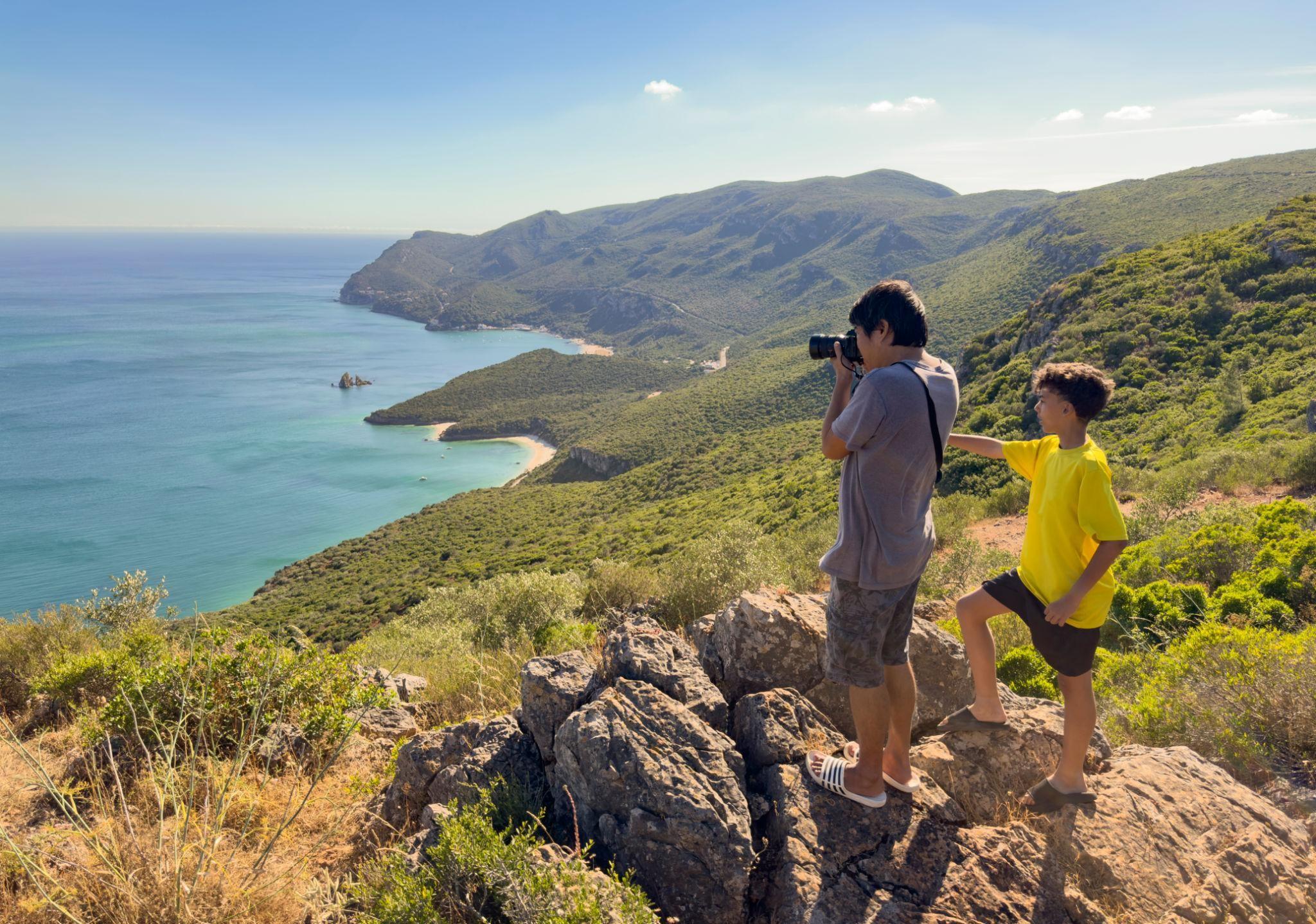
Journey through stunning coastal landscapes, explore a historic winery, and experience the beauty of Portugal's Arrábida region on this full-day guided excursion.
2 hours
Free Cancellation
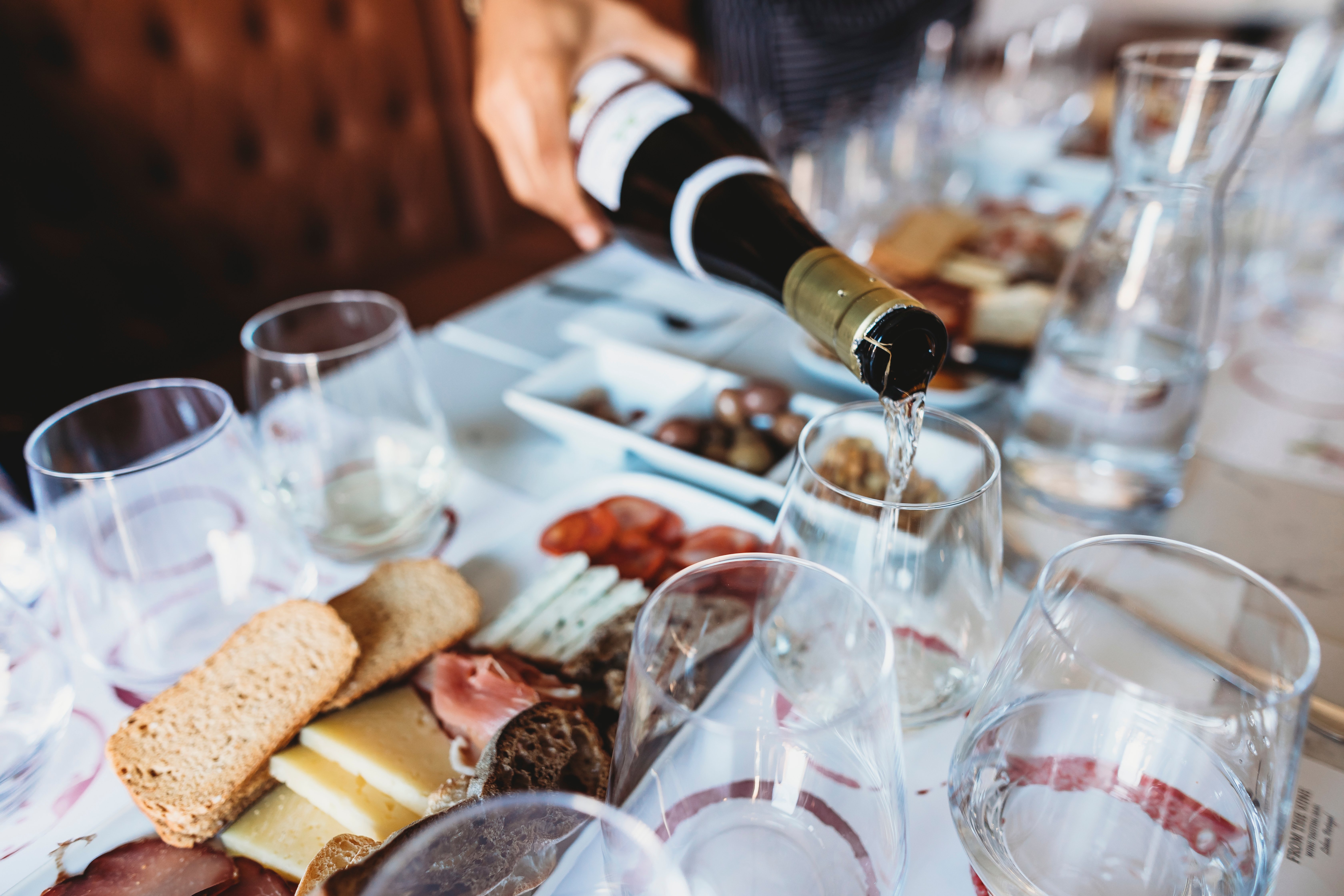
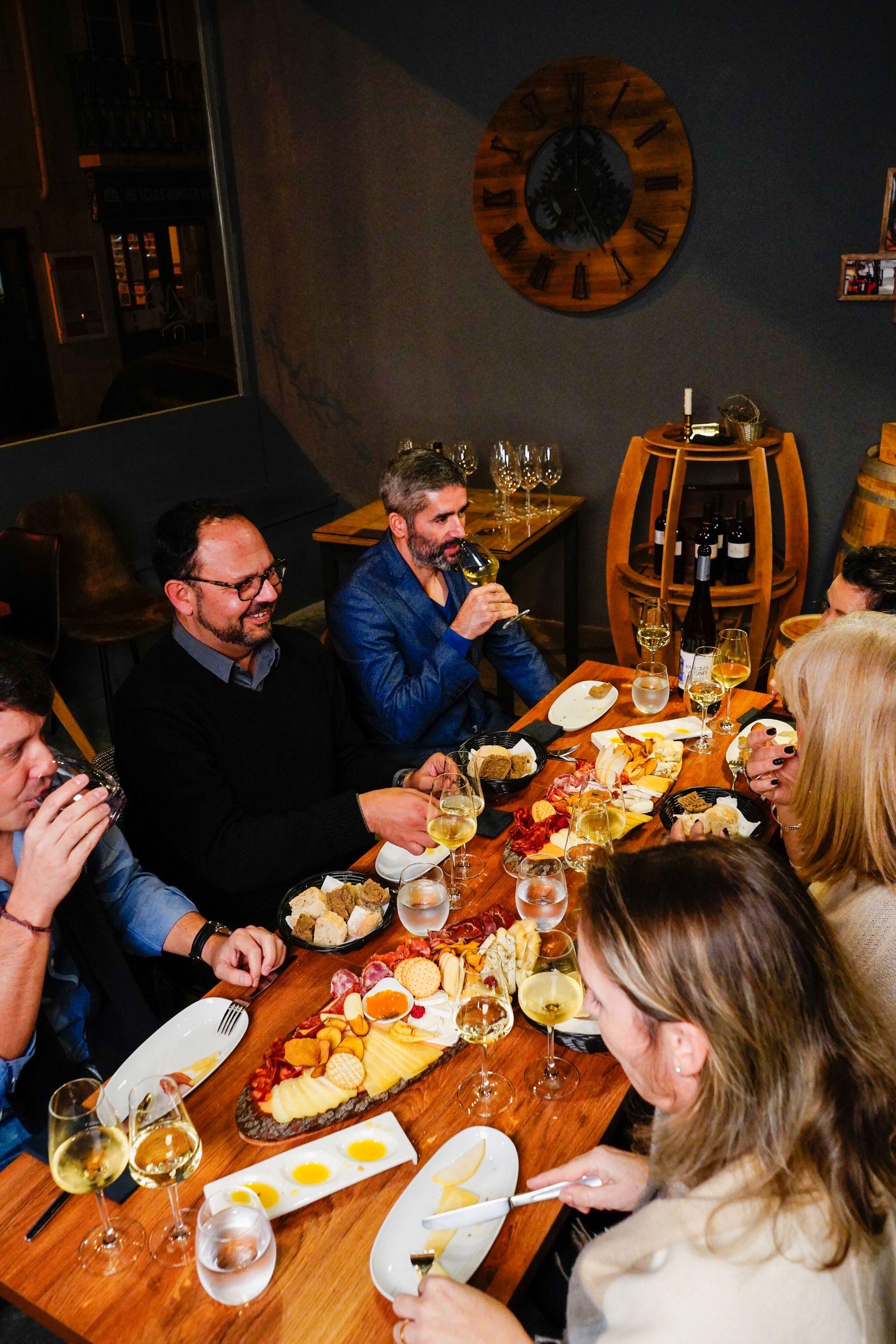
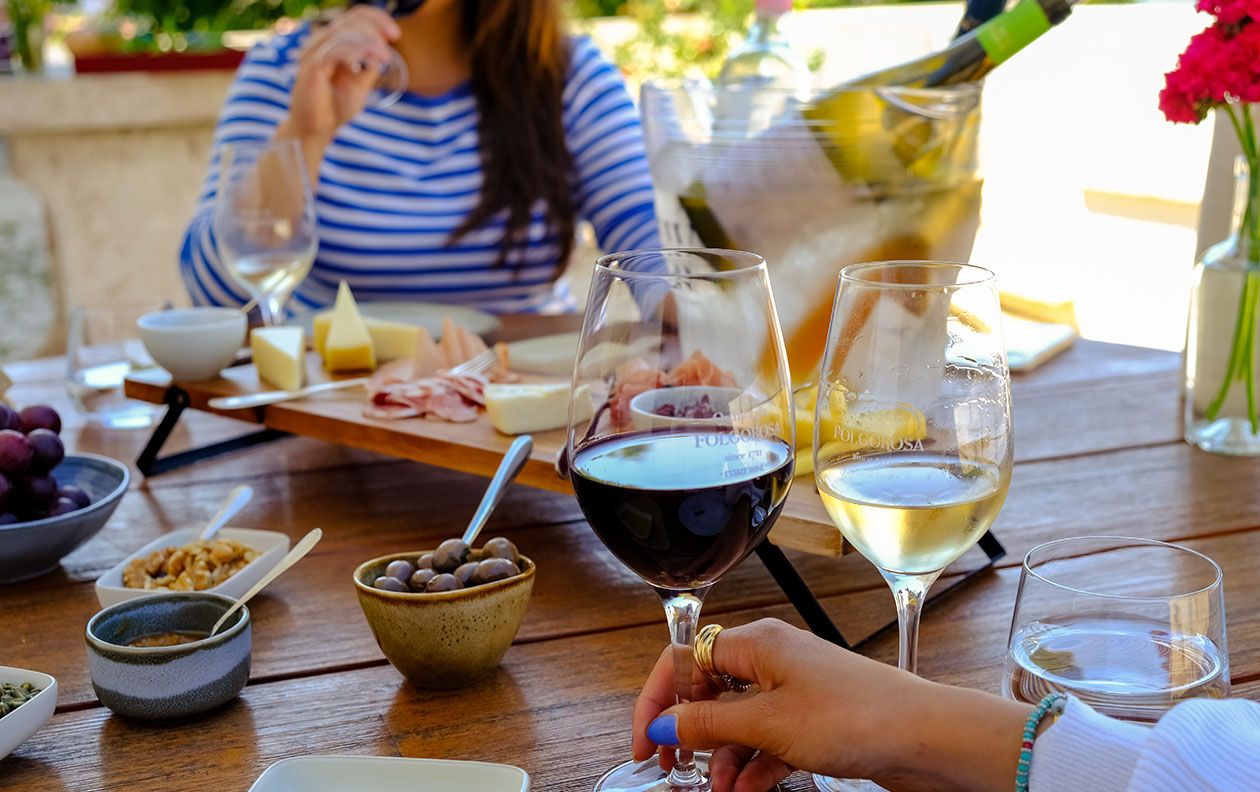
Savor six regional wines paired with artisan cheeses in an intimate pre-opening bar setting
1 hour
Free Cancellation
Sample three regional wines while discovering Portugal's rich viticultural heritage and traditions
1 hour
Free Cancellation
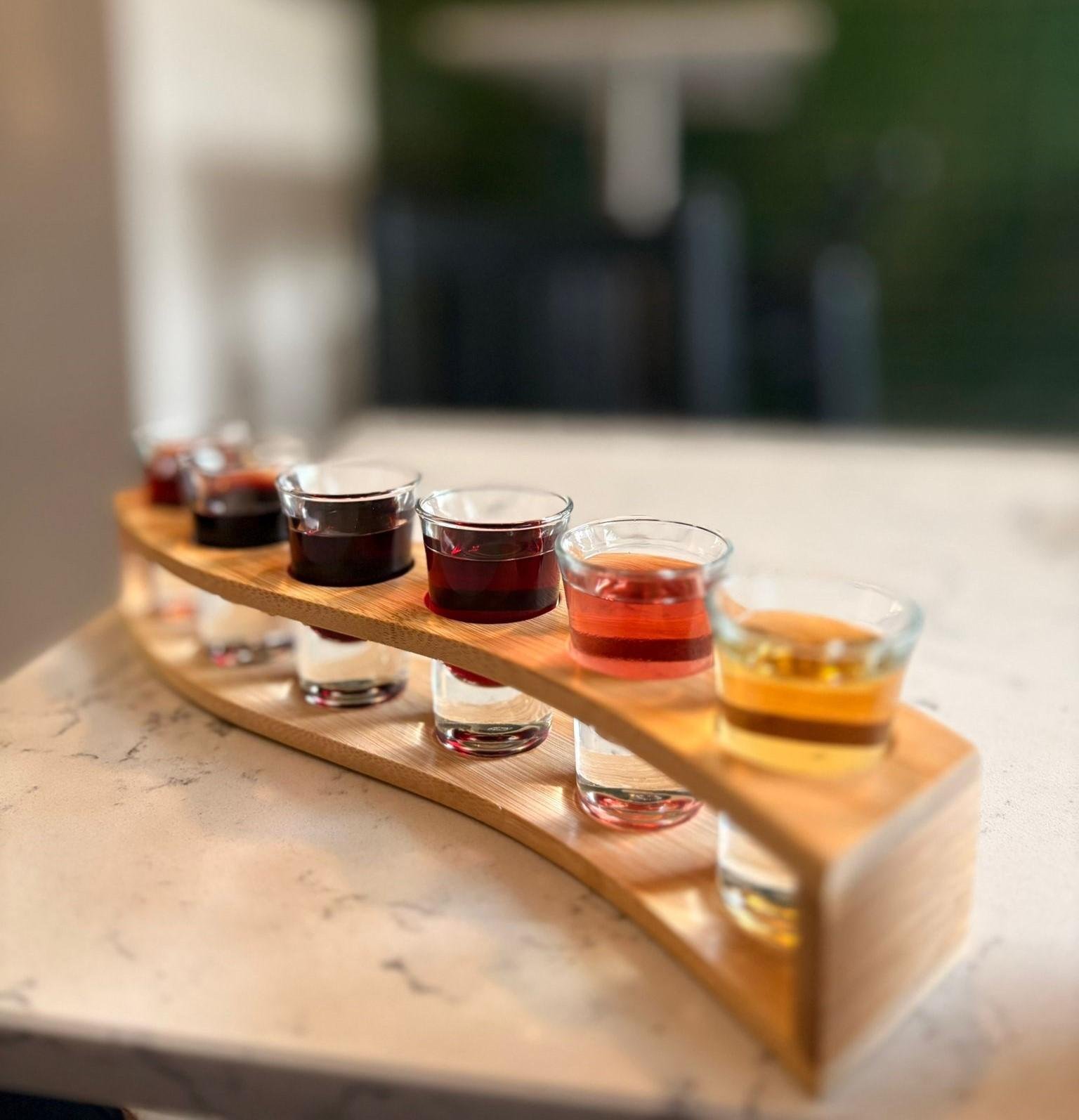
Explore Portugal's wine heritage through six carefully selected port varieties with expert guidance
8 hours
Free Cancellation
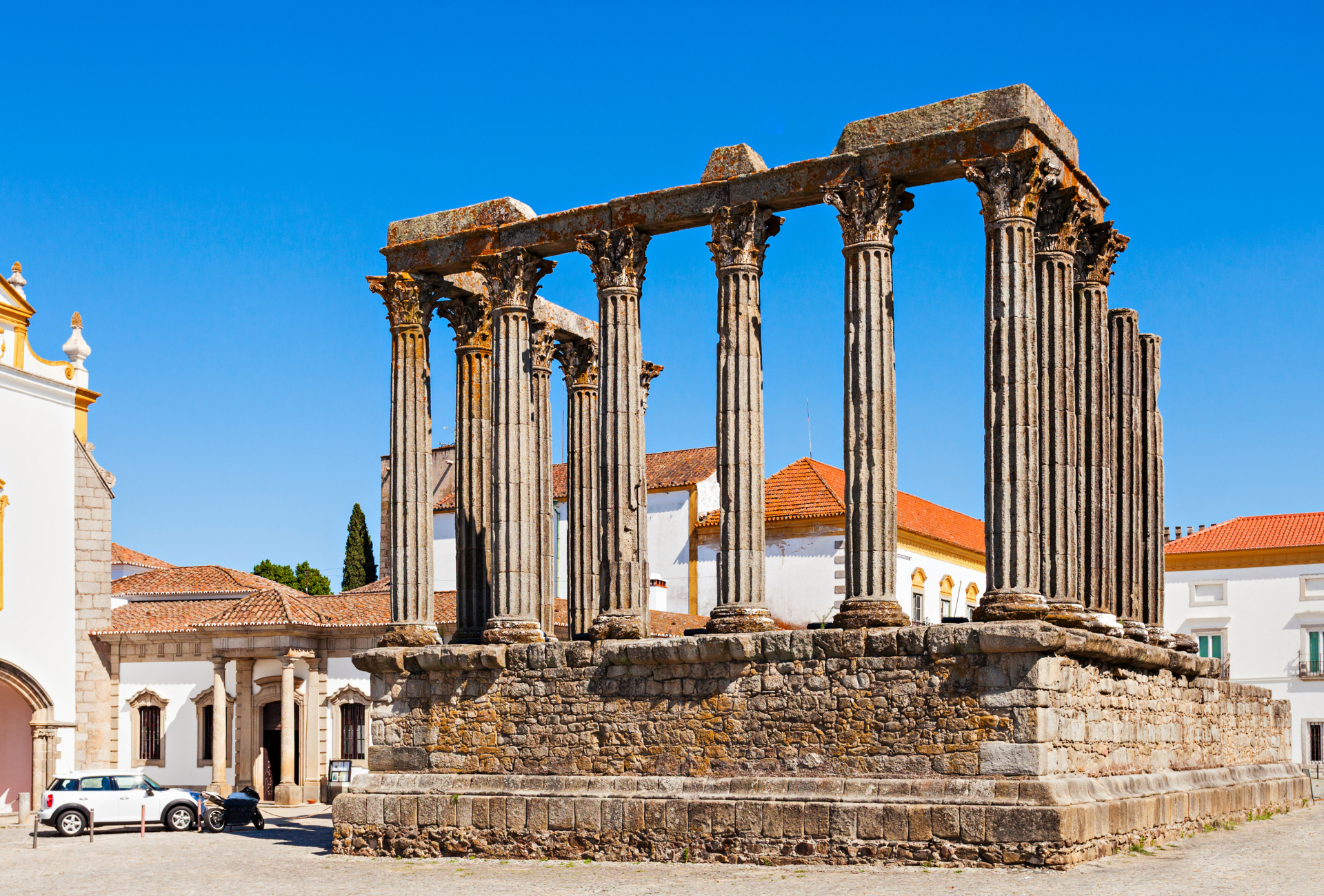
Journey through UNESCO-listed Évora and medieval Monsaraz with bone chapel, cathedral, Roman ruins, and Alentejo wine tasting
9 hours
Free Cancellation
Full-day intimate journey through Sintra's palaces, Europe's westernmost point, and Portuguese wine country
9 hours
Free Cancellation
Journey through UNESCO parkland, taste regional wines at family estates, and discover coastal gems
2 hours
Free Cancellation
Discover rare Portuguese wines paired with artisan cheeses and charcuterie in an intimate setting
Pickup near a central Lisbon meting point, drive toward Azeitão
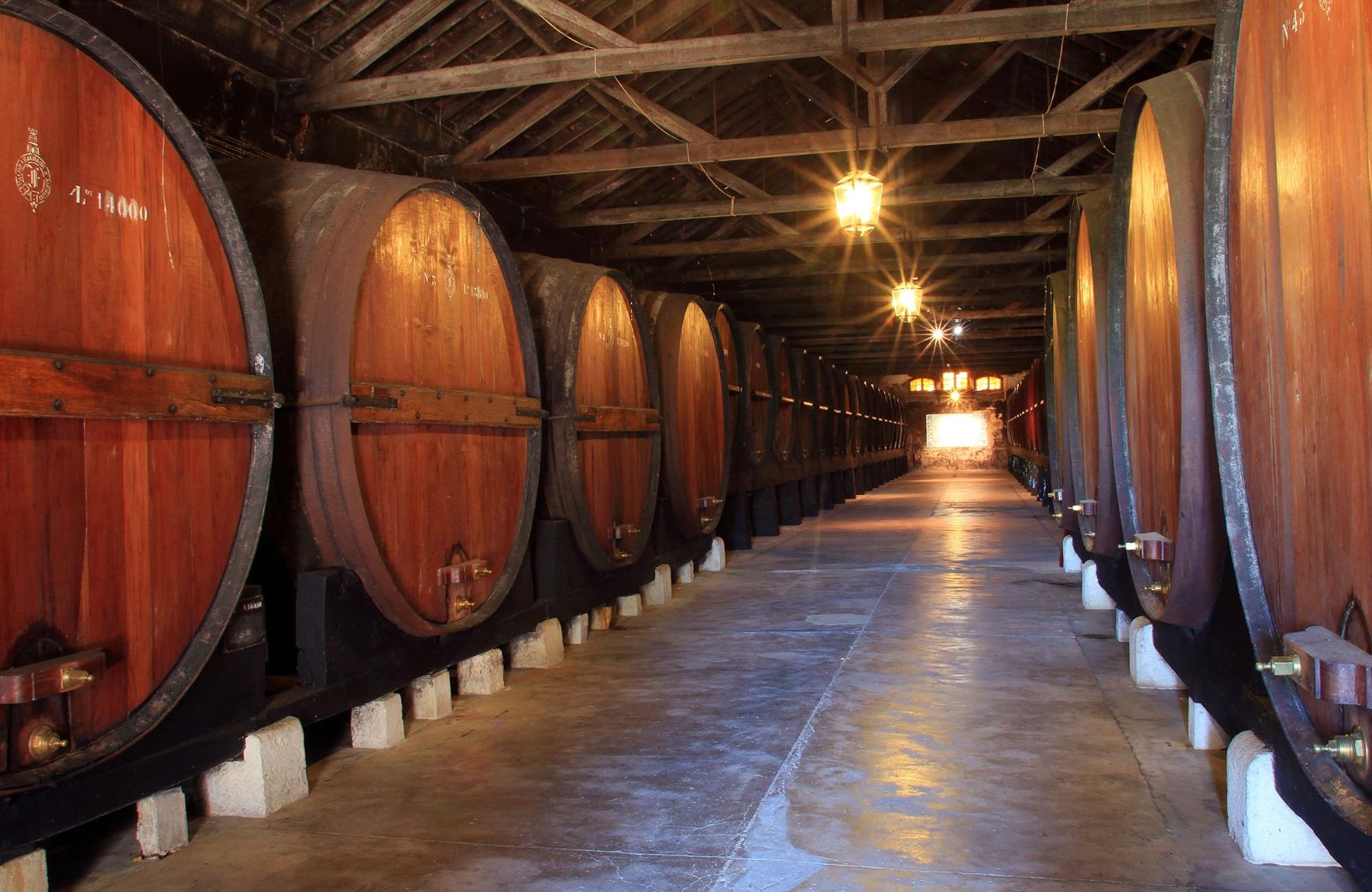
Guided cellar tour and tasting of Moscatel and table wines
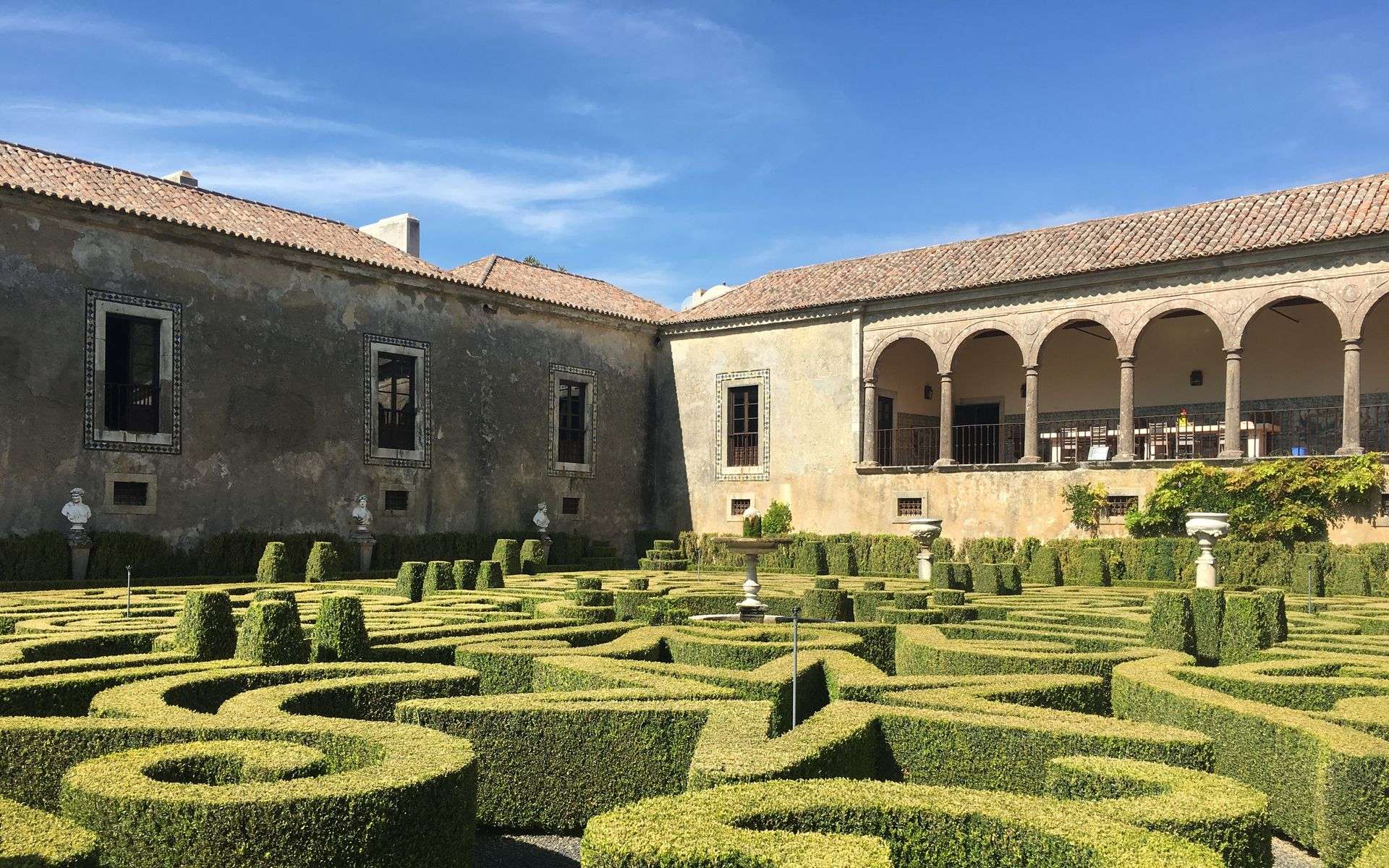
Manor house tour and vineyard tasting flight
Regional lunch break with local specialties
Drive back with drop-off at the central meeting point
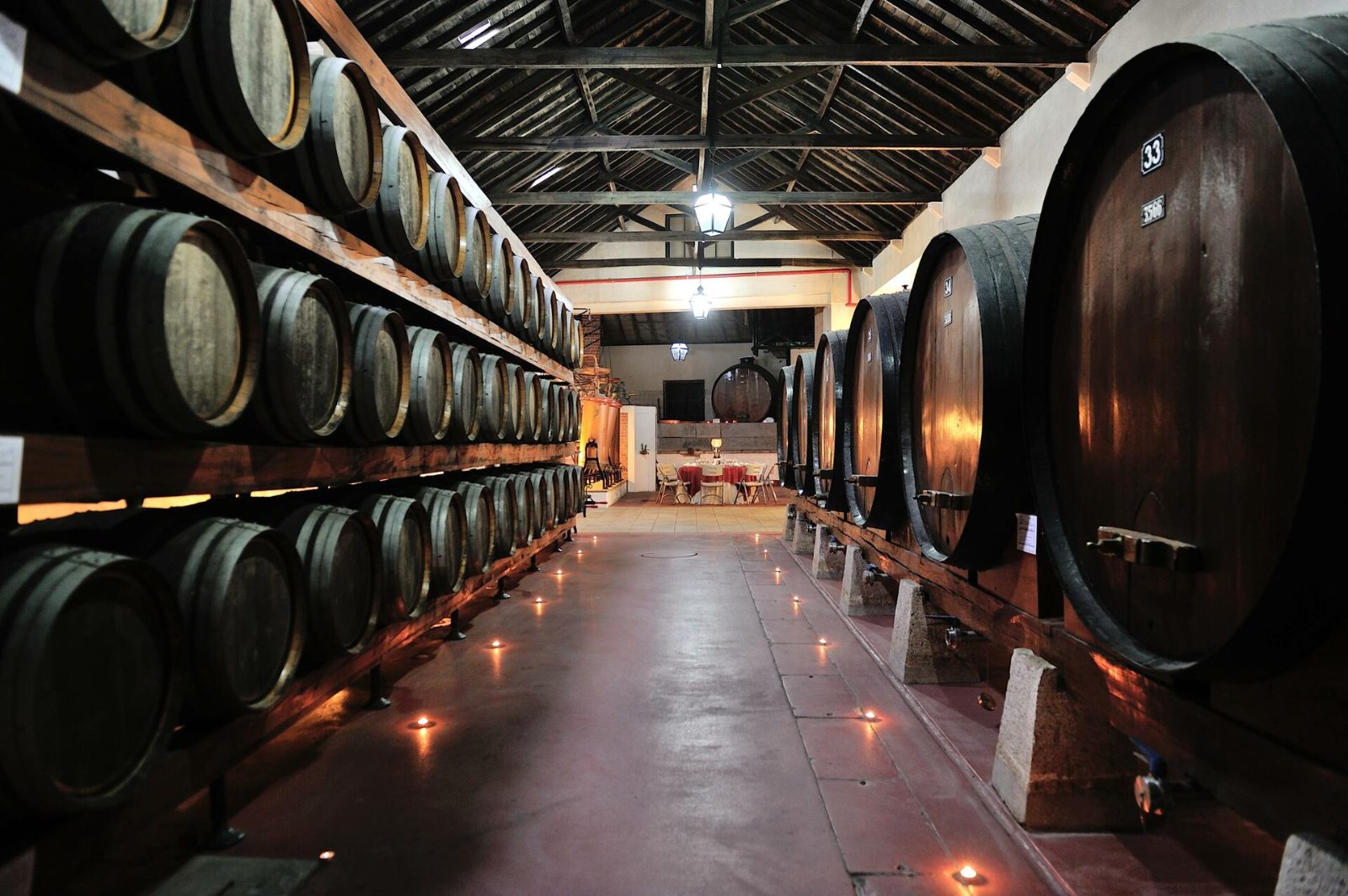
Founded in 1834 in Azeitão, this is Portugal's oldest table wine producer still operating. Its barrel-lined tunels age Moscatel de Setúbal for decades, with some reserve bottles held for over a century.
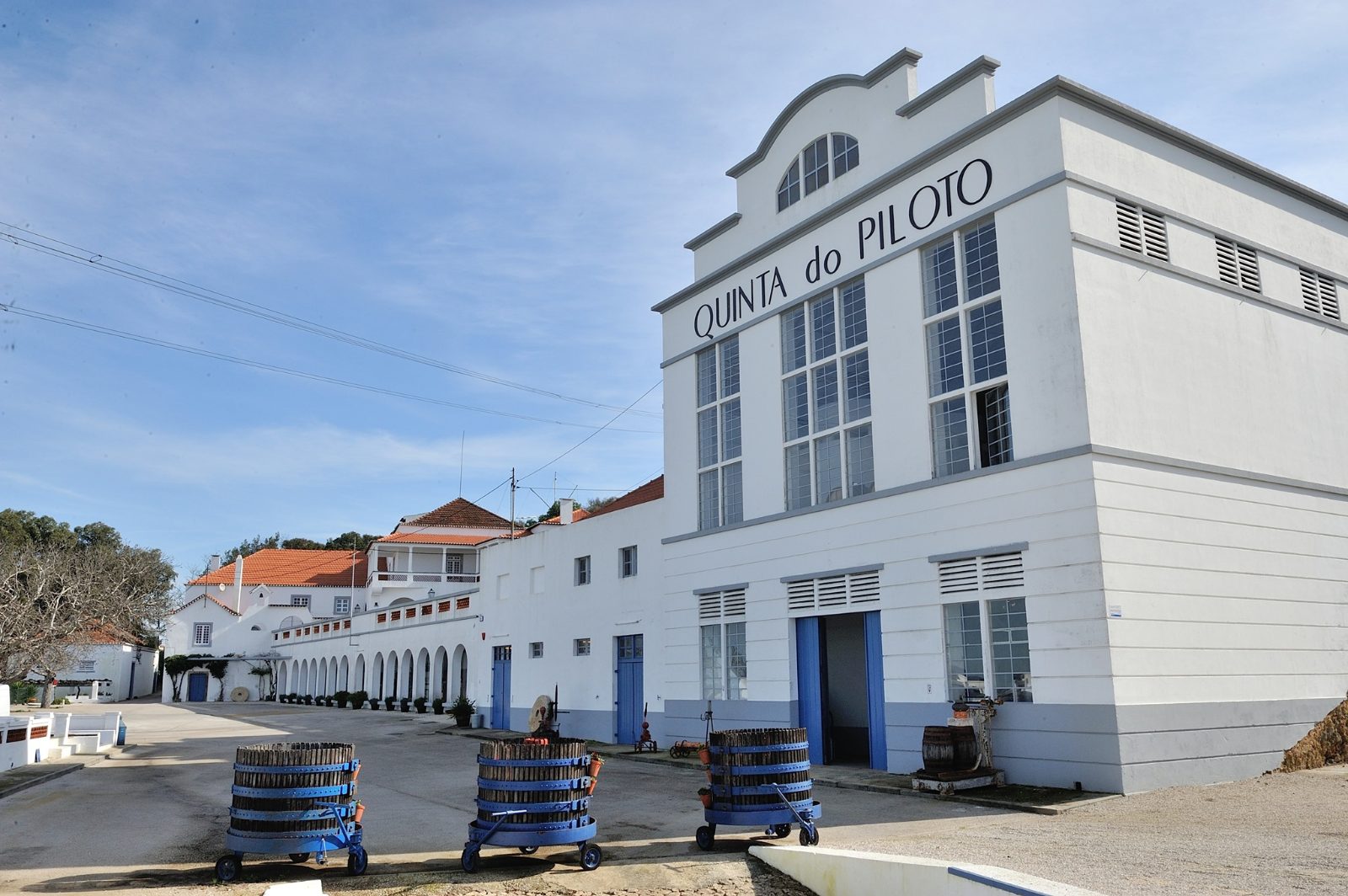
A family-run winery in Palmela producing Moscatel de Setúbal and Periquita reds since the 1920s. Tastings take place inside a converted 19th-century farmhouse surounded by working vine rows.
This historic fortified-wine cellar in Setúbal uses prolonged skin maceration on Moscatel grapes, a technique documented since the 15th century. The resulting wines can age for well over 50 years.
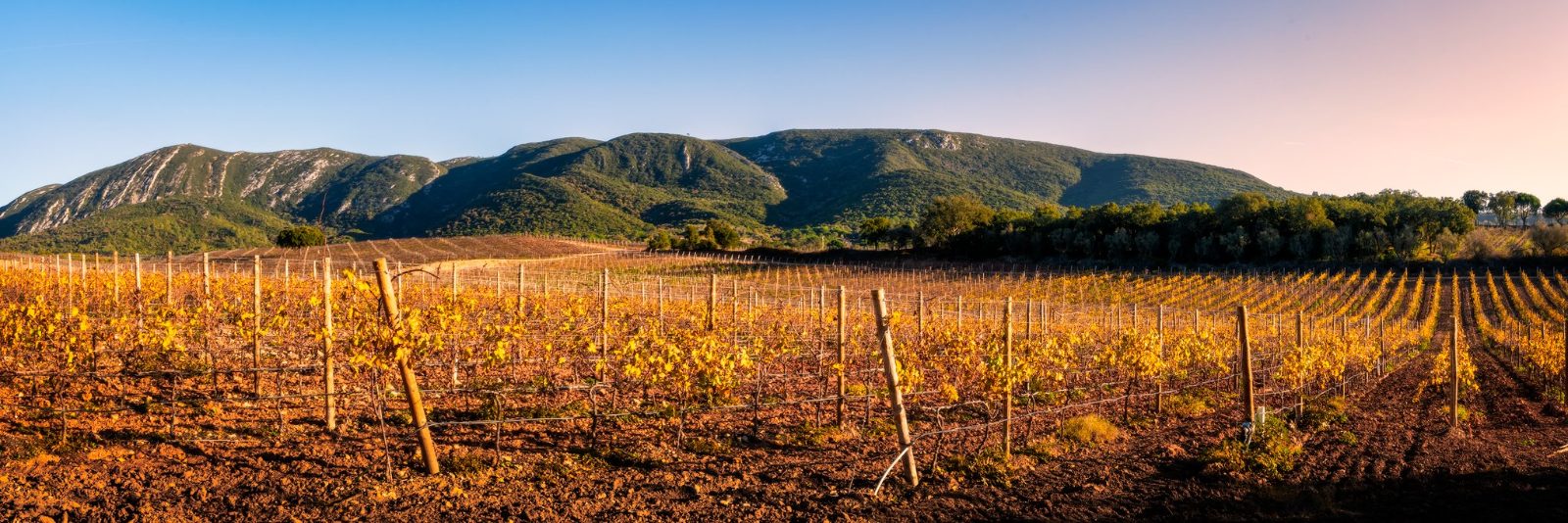
Limestone hillside vineyards overlook the Sado Estuary inside a protected reserve established in 1976. The chalky soil here contributes distinct mineral notes found across Setúbal Peninsula wines.
You leave central Lisbon by nine in the morning, crossing the 25 de Abril Bridge as the Tagus broadens beneath you, the Arrábida peninsula's limestone ridges rising to the south.
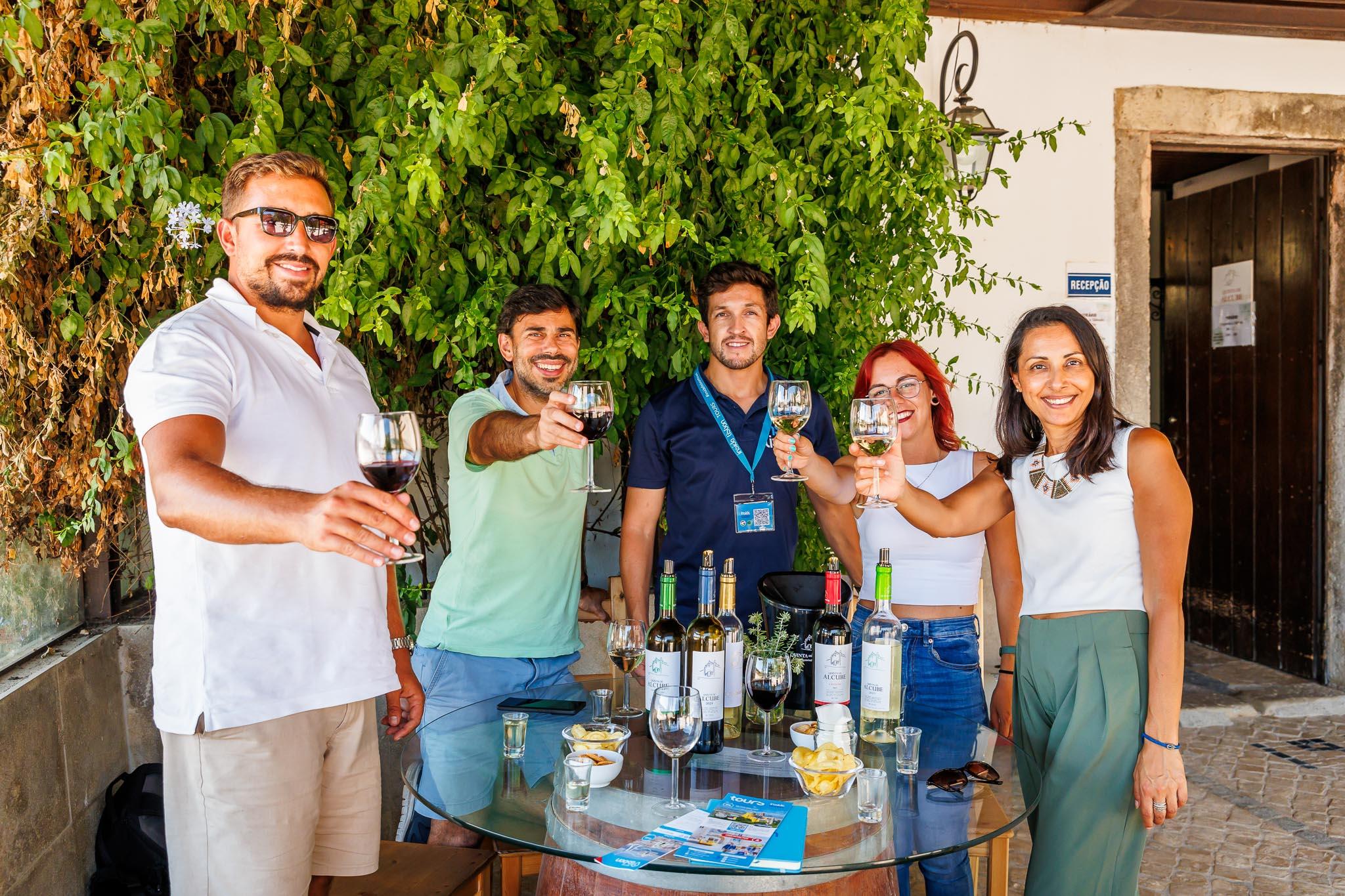
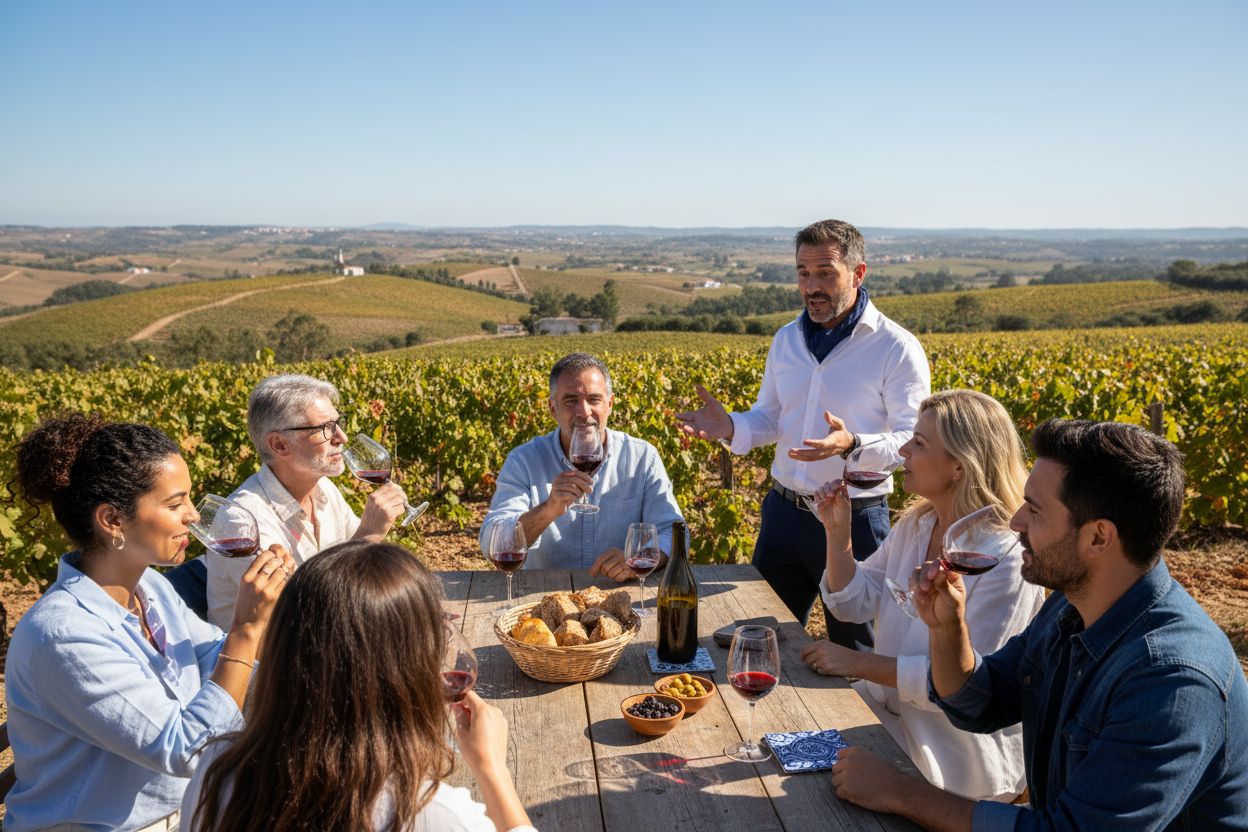
The first estate appears after forty minutes, its whitewashed cellar tucked into terraced rows of Castelão and Fernão Pires, and you walk through the barrel room where American oak casks rest in cool shadow. The winemaker pours four wines at a stone counter, each paired with a local cheese, and explains the difference between coastal and inland fruit.
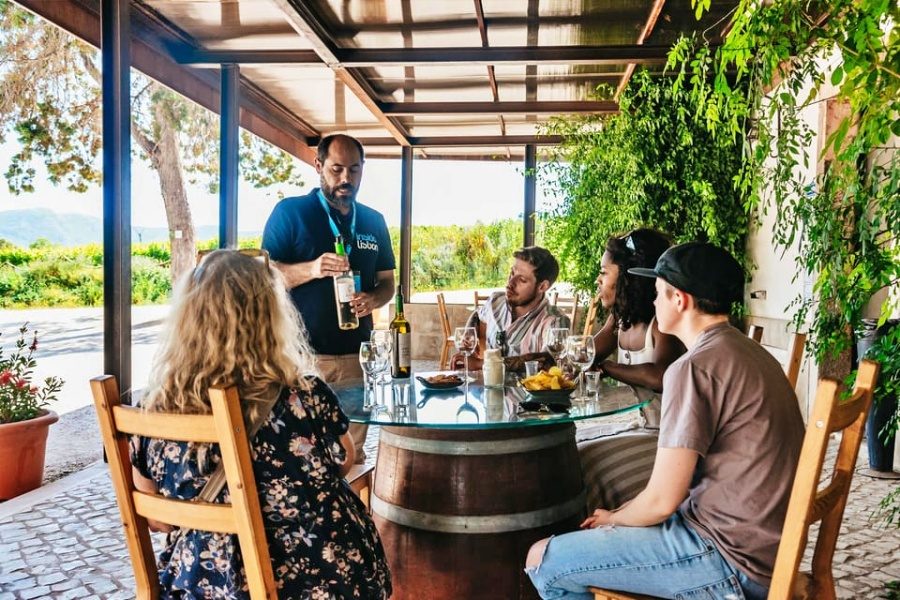
By midday you reach a second quinta, smaller and family-run, where the tasting takes place on a terrace overlooking the Serra da Arrábida. The wines here are field blends, their labels simple, and the owner talks about harvest dates and fermentation temperatures while you sip a reserve red with notes of wild herbs and salted plum. Lunch follows: grilled sardines, potato salad, olive oil cake.
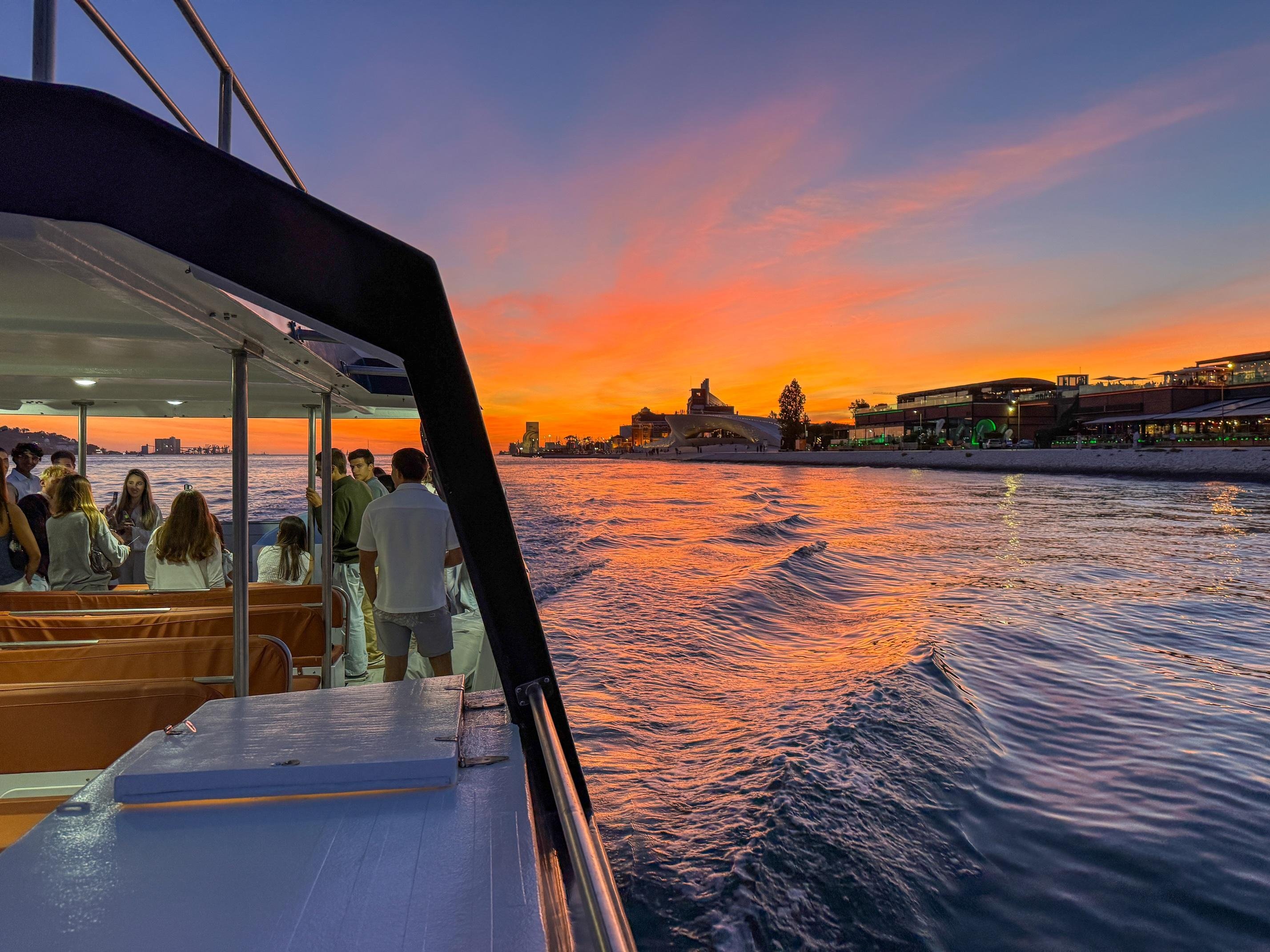
You return to Lisbon by late afternoon and board a traditional sailboat near Cais do Sodré. The boat glides upriver as the light turns gold, and a guide pours three Portuguese wines—a Vinho Verde, a Dão red, a Moscatel de Setúbal—while the city's tile façades catch the sun. You pass the Belém tower, the Cristo Rei monument, the container cranes of Alcântara, the wine's acidity sharp against the river's salt air, and you dock as the first lights come on along the waterfront.
All the details about your upcoming adventure in one place
Portugal produces over 250 indigenous grape varieties, more per hectare than any European nation, and Lisbon sits at the confluence of three historic wine regions: the maritime estates of Arrábida, the fortified cellars of the Douro transplanted to Alfama, and the Tagus valley's sun-warmed slopes.
The city itself holds no vineyards within its municipal borders, yet it has served as the primary export gate for Portuguese wine since the 12th century, when Cistercian monks planted the first systematic rows south of the Tagus estuary. By the 18th century, British merchants had established tasting rooms in Lisbon's riverside warehouses, blending and aging port destined for London, and those stone-vaulted chambers still operate today beneath the narrow streets of Alfama and Graça.
A lisbon wine tasting day trip typically radiates outward from the city in three directions. South across the 25 de Abril Bridge lies the Arrábida Natural Park, where Atlantic winds temper the heat and limestone soils yield structured reds and citrus-edged whites; the drive takes forty minutes, and most estates open their tasting rooms between nine and six. East along the Tagus, smaller quintas offer vertical tastings of single-vintage reserves, often paired with Serra da Estrela cheese and fig compote. North toward Alenquer and the Oeste designation, family cellars produce field blends rarely seen outside Portugal, their labels hand-written and their allocations limited to a few hundred cases.
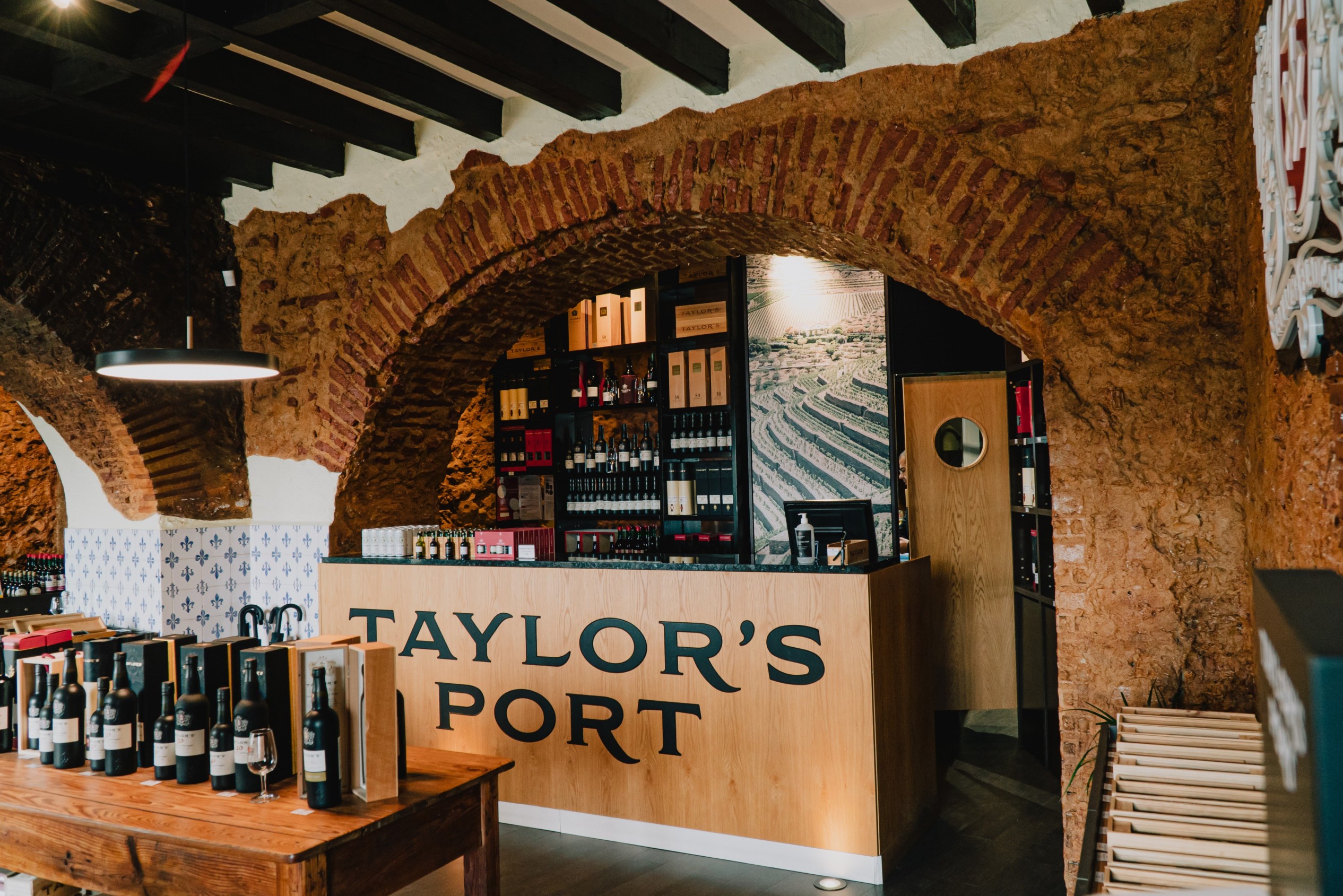
Port wine, though produced exclusively in the Douro valley 300 kilometers to the north, matured for centuries in Lisbon's riverside lodges before rail transport shifted the aging infrastructure to Vila Nova de Gaia. Taylor's and a handful of smaller houses maintain historic cellars in Alfama, where the cooler coastal climate slows oxidation and preserves the wine's fruit. These tasting rooms occupy 17th-century stone buildings with barrel-vaulted ceilings and original terracotta floors, and they charge no standard entry fee, instead pricing tastings by the number of pours. The Tagus itself has become a tasting venue: small sailboats and traditional gaff-rigged vessels now offer golden-hour cruises that pair regional wines with views of the Belém tower and the Cristo Rei monument, the river's brackish breeze a counterpoint to the wine's warmth. Lisbon wine tasting day trip tours blend these elements, moving between vineyard, cellar, and water in a single afternoon, the city's position as a crossroads of terroir and trade visible in every glass.
Portugal produces over 250 indigenous grape varieties, more per hectare than any European nation.
Closed-toe shoes are recommended for a Lisbon wine tasting day trip since cellar flors at estates like José Maria da Fonseca are uneven stone. Bring a light layer, as underground barel rooms stay noticeably cooler than the courtyard outside even in warm months.
Small bags and handbags are fine to carry through tasting rooms, but large backpacks are discouraged in the narrow vaulted tunnels at Azeitão cellars. Some estates, including Bacalhôa Wine Estate, run a brief bag check at the entrance before group tours begin.
Photography is generally permitted in vineyards and tasting rooms, but flash is restricted in some barrel cellars where humidity-sensitive labels and corks are stored long-term. A few family-run estates ask visitors not to photograph proprietary blending notes or private ledgers on display.
Children are welcome on most stops, and several wineries pour grape juice tastings alongside the adult flights for younger visitors. Families joining a Lisbon wine tasting day trip should expect a slower pace than a typical sightseeing tour, since formal pours and cellar talks run 15-20 minutes per stop.
Ground-floor tasting rooms at larger estates such as Bacalhôa Wine Estate are wheelchair accessible, and many stops on a Lisbon wine tasting day trip can accommodate step-free access on request. Some historic vaulted cellars in Azeitão have narow stone steps and uneven flooring that limit wheelchair access to lower levels.
Outside alcohol is not permitted inside tasting rooms since it interferes with each winery's own comparison flights, though bottled water is always allowed at the table. Spiting buckets are provided for visitors tasting at multiple estates in one day, and light snacks such as bread or cheese pairings are sometimes served alongside pours but cannot be brought in from outside.
Hours
Daily 09:00–18:00
Address
Lisbon, Portugal
Best arival
09:00–11:00, before mid-day heat and afternoon coach groups
Wine regions covered
Setúbal Peninsula, Colares and Azeitão vineyards
Entrance fee
0 EUR base entry; tasting and tour packages priced separately
Car · 30-40 min · Free parking
Take the A2 highway south from Lisbon, crossing the 25 de Abril or Vasco da Gama bridge toward Azeitão or Setúbal, about 30-40 minutes; most wine estates offer free on-site parking.
Public transport · 45-60 min · Around 3-5 EUR train fare
Take the Fertagus train from Sete Rios or Roma-Areeiro toward Setúbal, then a short taxi to individual wineries.
Taxi or rideshare · 35 min · Around 35-45 EUR each way
A direct taxi or Uber to Azeitão wineries is the most convenient option since driving after tasting isn't advisable.
Organized tour · Included in tour · Priced per tour package
Most Lisbon wine tasting day trip tours include round-trip minivan transport from central Lisbon hotels.
Most Lisbon wine tasting day trip tours can be cancelled up to 24 hours before departure for a full refund. The attraction itself caries no entrance fee, so cancellation terms apply only to the specific tasting or tour package booked.
Recommended time
4-6 hours
For a comprehensive lisbon wine tasting day trip, we recommend allocating at least half a day to fully explore the regional vineyards and cellar environments. Starting within the best arrival window of 09:00–11:00 helps you avoid the mid-day heat and large afternoon tour groups at popular tasting venues. Whether you book lisbon wine tasting day trip tours or focus on localized Portuguese viticulture, this timeframe allows for leisurely glass pours and discussions regarding terroir without feeling rushed. If you opt for lisbon wine tasting day trip tickets covering multiple estates, extend your schedule to ensure travel between locations remains stress-free.
Crowd levels through the day
Weather · crowds · average price — dots go green to amber to red as each metric rises.
Mild 15-20°C days with vineyards buding and moderate crowds at Azeitão and Setúbal estates.
Hot, often above 30°C, with high tourist volume; book stops ahead as late-August marks the start of harvest.
Grape harvest and treading festivals run at Azeitão and Setúbal, with comfortable 18-24°C weather, making this the best season for a Lisbon wine tasting day trip.
Cool 10-15°C days with quiet cellars, though some family-run estates reduce tour frequency.
September and October harvest at Azeitão draws large groups, so reserve Lisbon wine tasting day trip tours at least a week ahead in autumn.
Family-run cellars in Colares often don't accept cards for small on-site purchases, so carry euros.
Cellar flors are stone and can be damp, so sandals aren't practical for barel-room walks.
Most stops pour 4-6 wines; use the spitting bucket if visiting more than two wineries in one outing.
Hillside vineyards near Arrábida Natural Park offer the clearest coastal views on dry autumn mornings.
Self-drive trips should include one person who skips tasting, since Portugal enforces strict drink-driving limits.
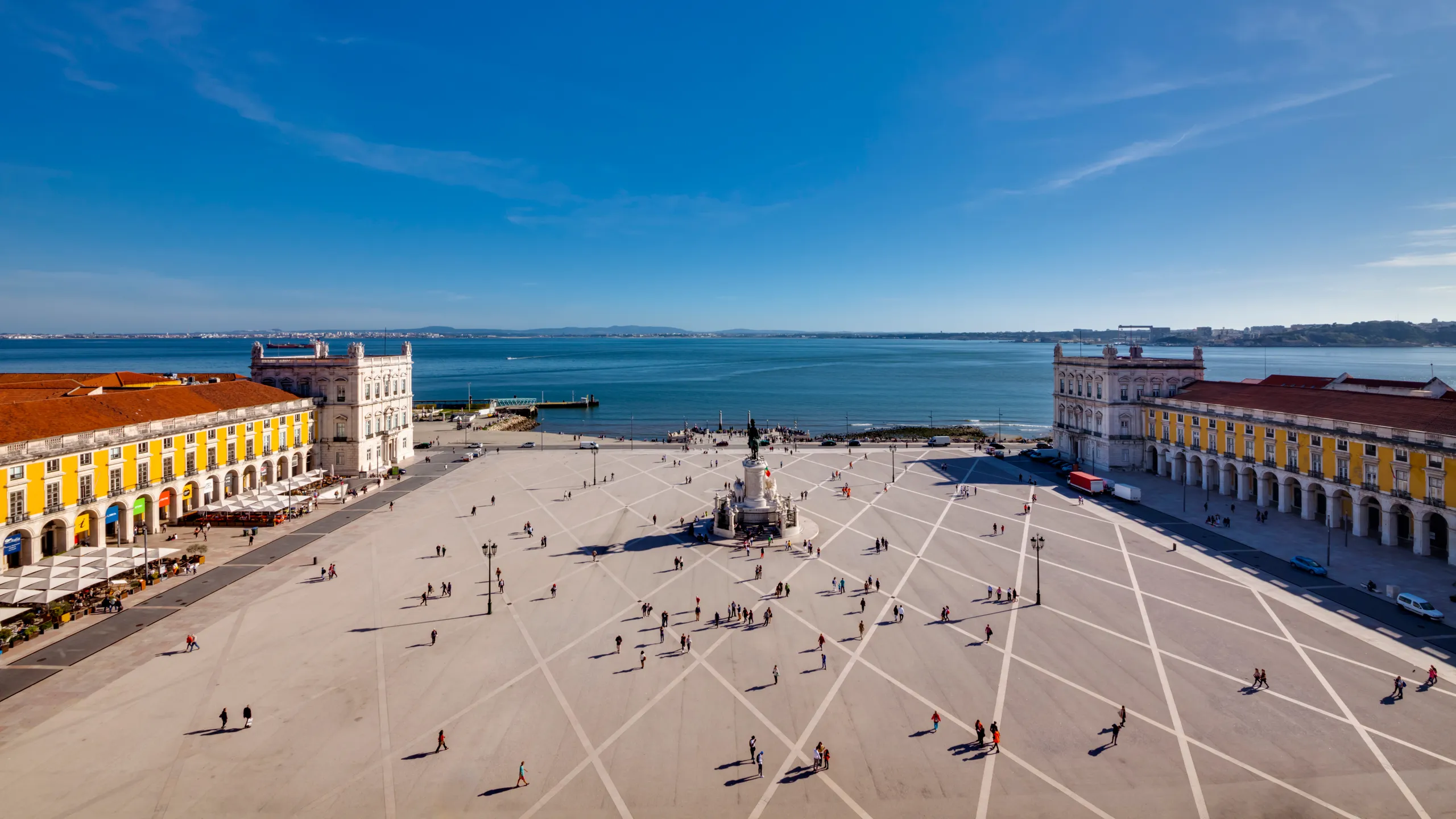
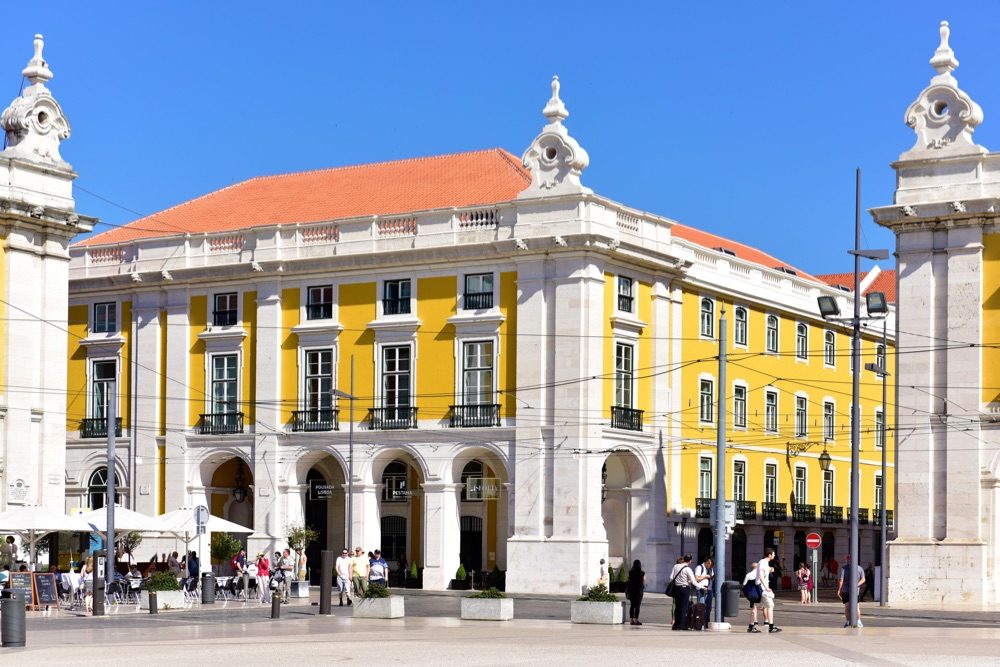
Praça do Comércio, 1100-148 Lisboa, Portugal
Riverside square used as pickup point for most tours
Get directionsPraça Marquês de Pombal, Lisboa
Alternate pickup point for hotels north of downtown
Get directionsWine production around Lisbon predates the Roman occupation of Lusitania in the second century BCE, when Phoenician traders first planted vines along the Tagus estuary. The region's proximity to the Atlantic shaped its viticulture, creating microclimates that would later distinguish Portuguese wines from their Mediterranean neighbors. By the medieval period, Lisbon's port exported barrels of wine to northern Europe, though the trade remained small compared to Porto's fortified wine dominance. The 1755 earthquake devastated Lisbon's wine storage cellars and disrupted export routes for decades. Rebuilding efforts under the Marquis of Pombal coincided with the establishment of strict wine demarcation zones in 1756, primarily benefiting the Douro Valley while Lisbon's surrounding regions received less regulatory attention. This imbalance persisted until the late nineteenth century, when phylloxera ravaged European vineyards. Portuguese winemakers grafted resistant American rootstock, a technical shift that modernized production methods across the Tagus Valley and Setúbal Peninsula. Organized lisbon wine tasting day trip experiences emerged in the 1990s as Portugal joined the European Union and tourism infrastructure expanded. Small family quintas in Azeitão and Colares began opening tasting rooms to visitors, moving beyond bulk sales to direct consumer engagement. The 2004 designation of several Lisbon sub-regions as DOC appellations legitimized local terroir and attracted international wine critics. By 2010, structured lisbon wine tasting day trip tours connected multiple estates, incorporating transport and guided vineyard walks. Today, the surrounding wine regions produce distinct styles—Colares retains ungrafted vines in sandy Atlantic soils, while Bucelas focuses on crisp white wines from Arinto grapes. The democratization of wine tourism has transformed former agricultural outposts into polished tasting venues, though smaller producers still offer intimate visits by appointment. The lisbon wine tasting day trip tickets available in 2026 reflect this maturation, linking coastal estates, historic cellars, and contemporary wineries within a single day's circuit from the capital.
Phoenician and Roman traders establish early viticulture along the Tagus estuary, exporting wine through Lisbon's port.
The Lisbon earthquake destroys wine cellars and disrupts trade routes, delaying regional development for decades.
Phylloxera epidemic forces Portuguese winemakers to adopt American rootstock grafting, modernizing production techniques.
Portugal's EU membership spurs tourism growth, prompting family quintas to open tasting rooms for visitors.
Several Lisbon sub-regions receive DOC appellation status, elevating local wine recognition internationally.
Structured wine day tours emerge, connecting multiple estates with organized transport and guided experiences.
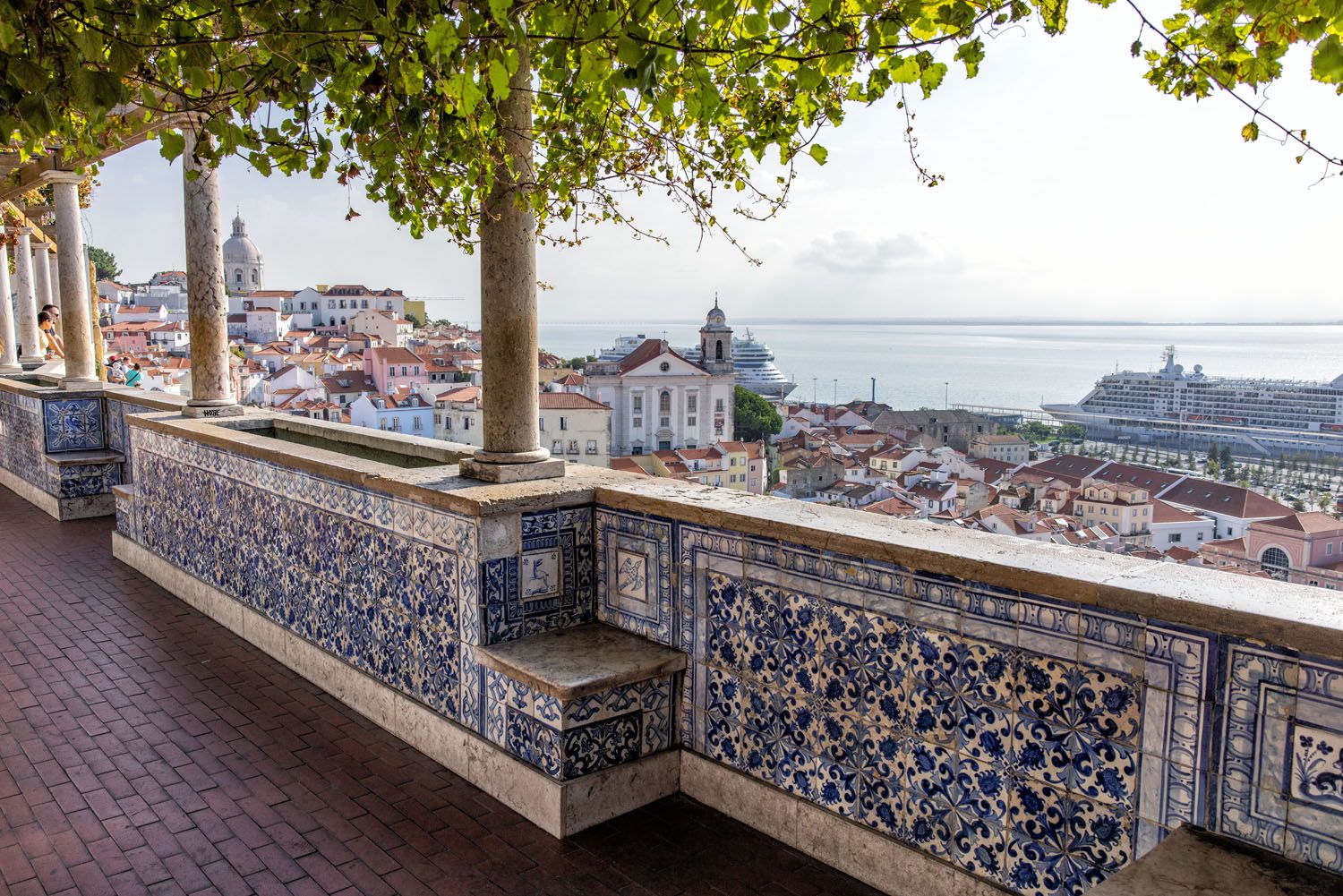
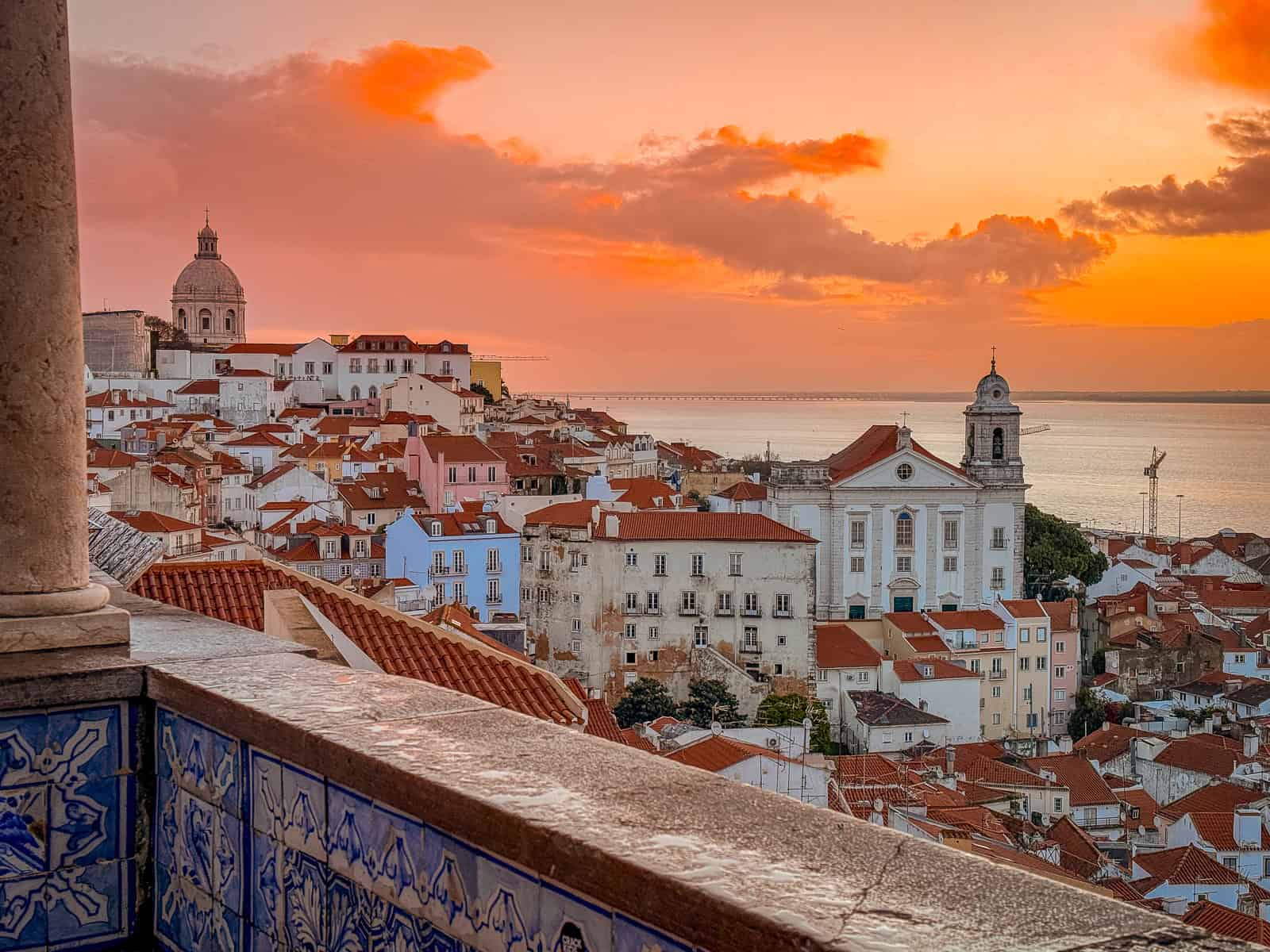
Capture the red-tiled rooftops and the Tagus River from this terrace featuring ornate blue azulejos. Stand at the stone balustrade on the left side for the clearest view of the harbor during a lisbon wine tasting day trip.
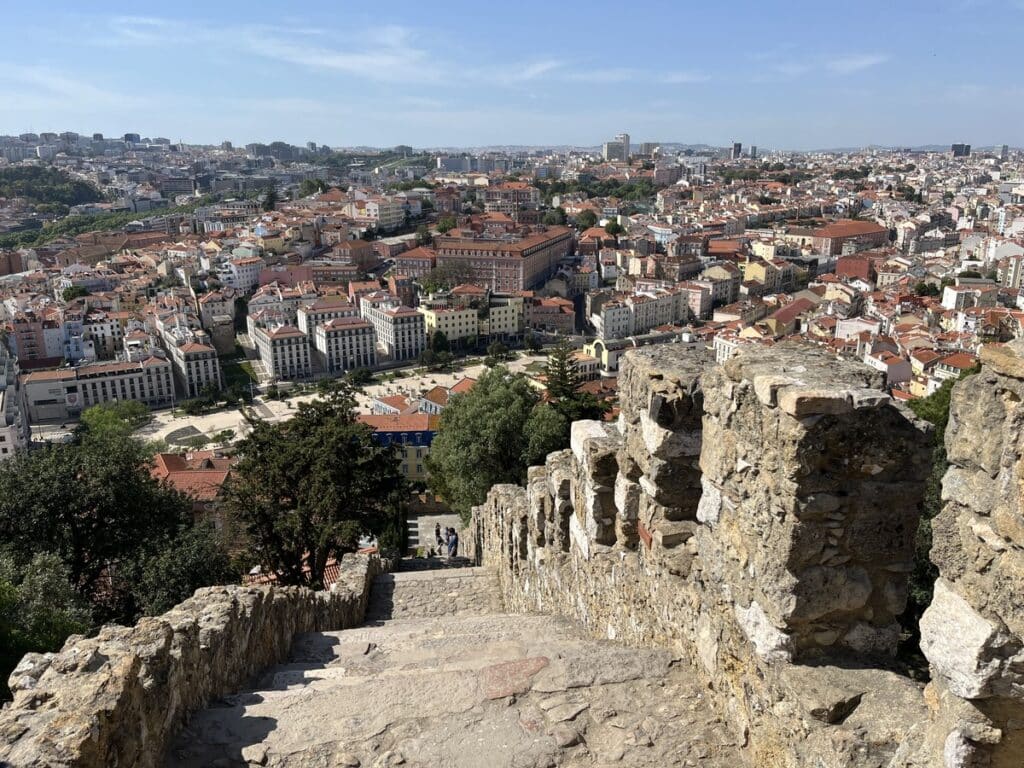
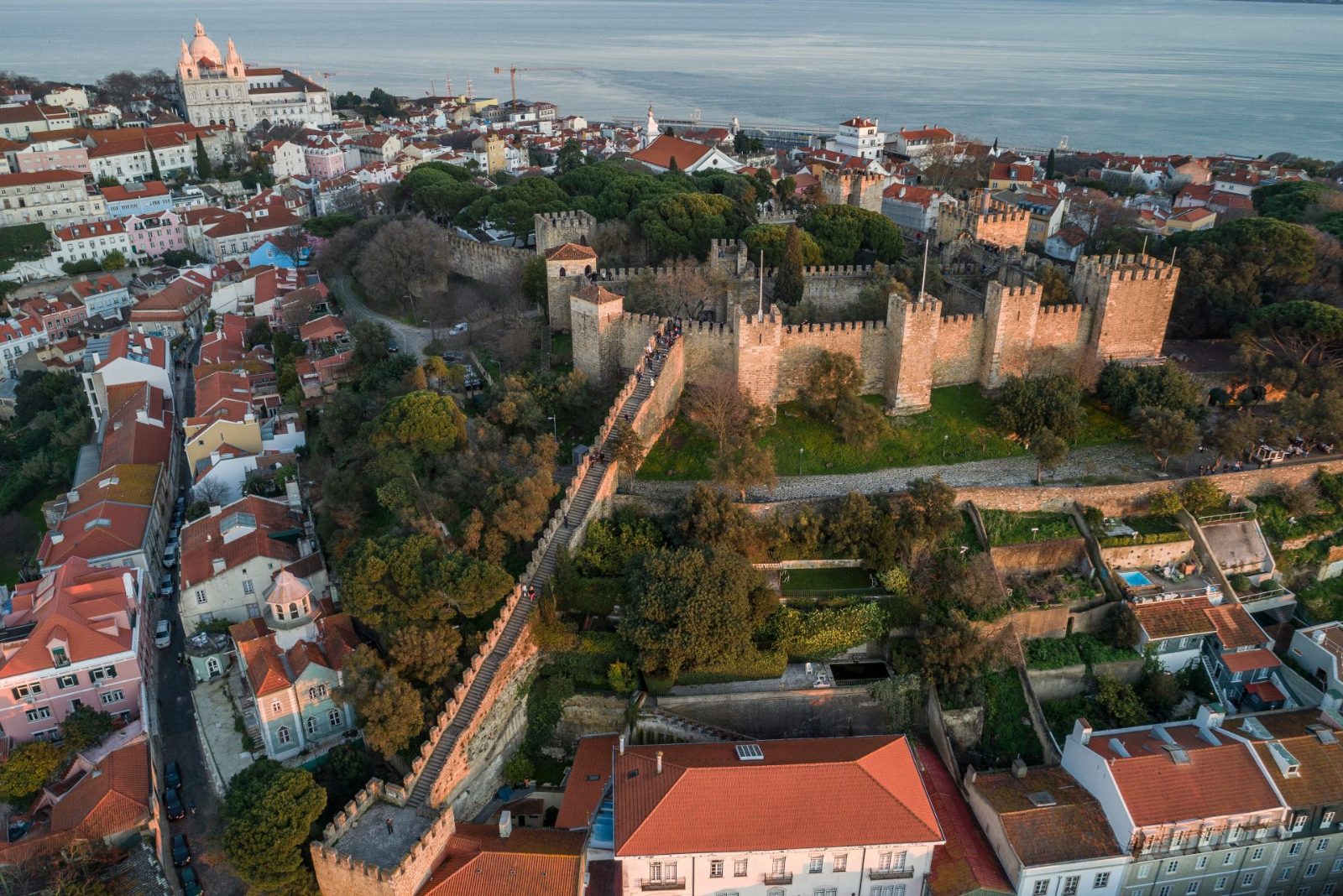
Shoot from the ramparts looking down over the historic Alfama district and the sprawling city layout. Use the stone fortifications as a natural frame for your composition of Portuguese wine country heritage tours.
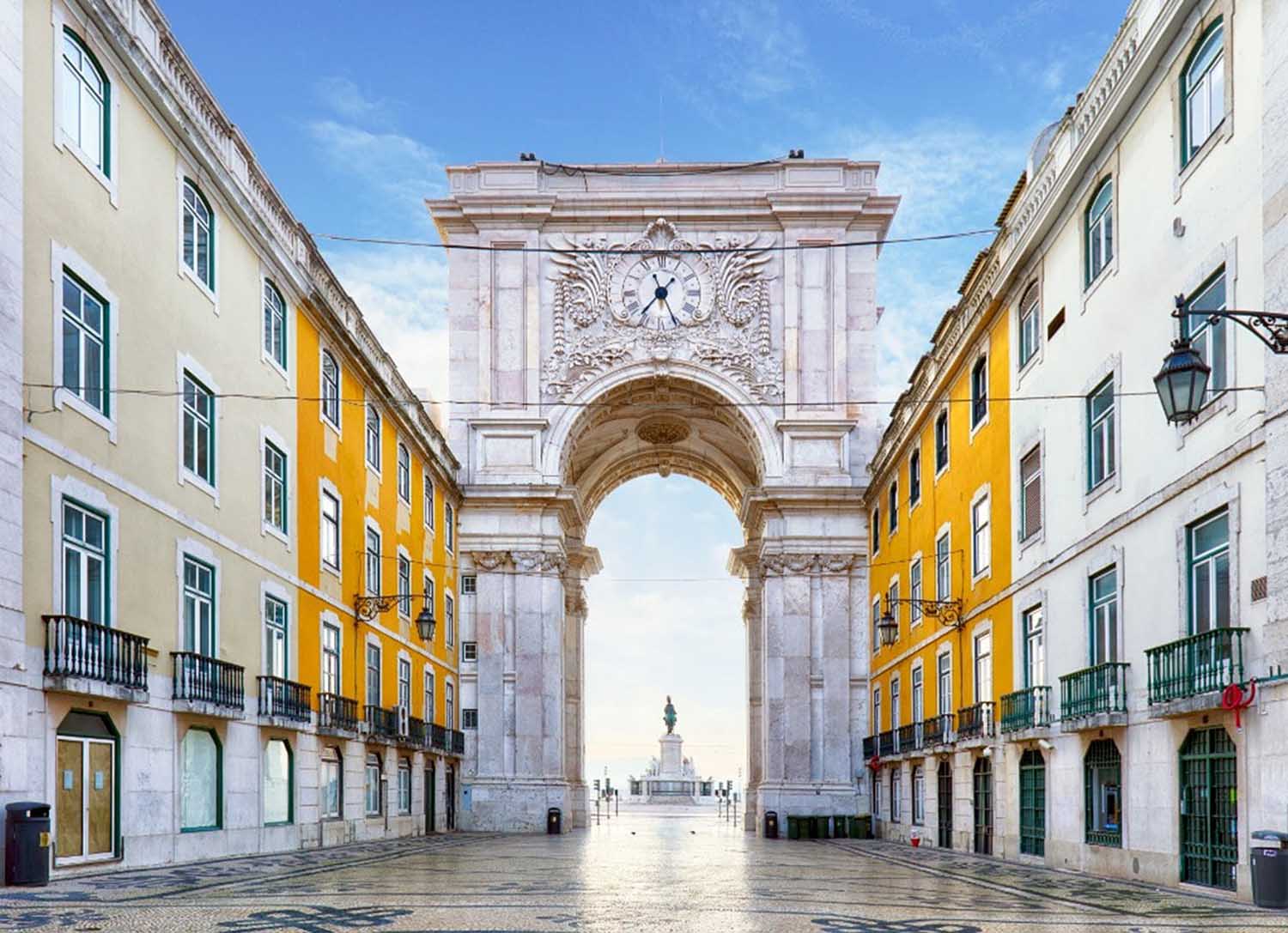
Photograph the grand yellow arcades and the central statue while facing the river to capture the symmetry of this historic square. Arriving early ensures empty space for your lisbon wine tasting day trip tour photography.
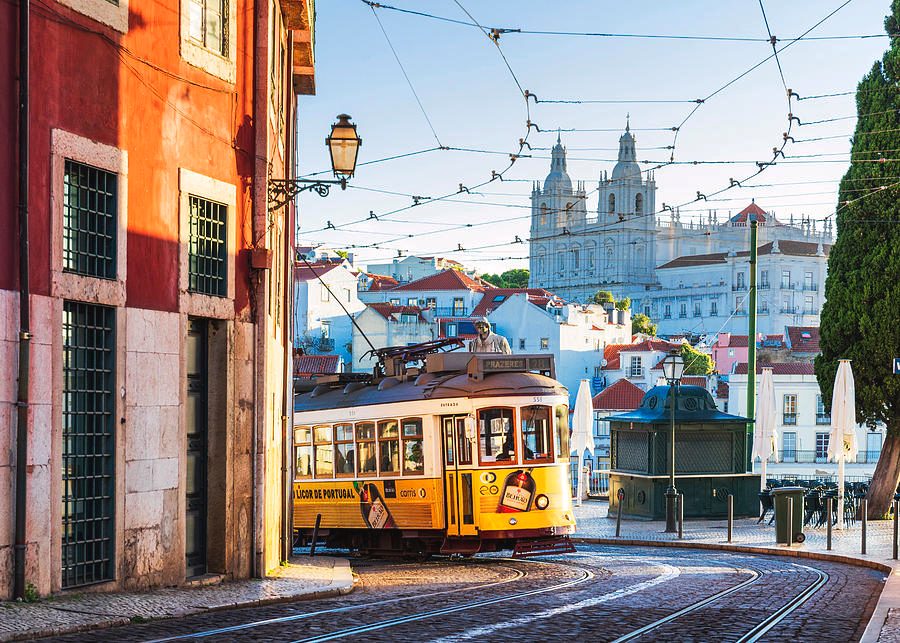
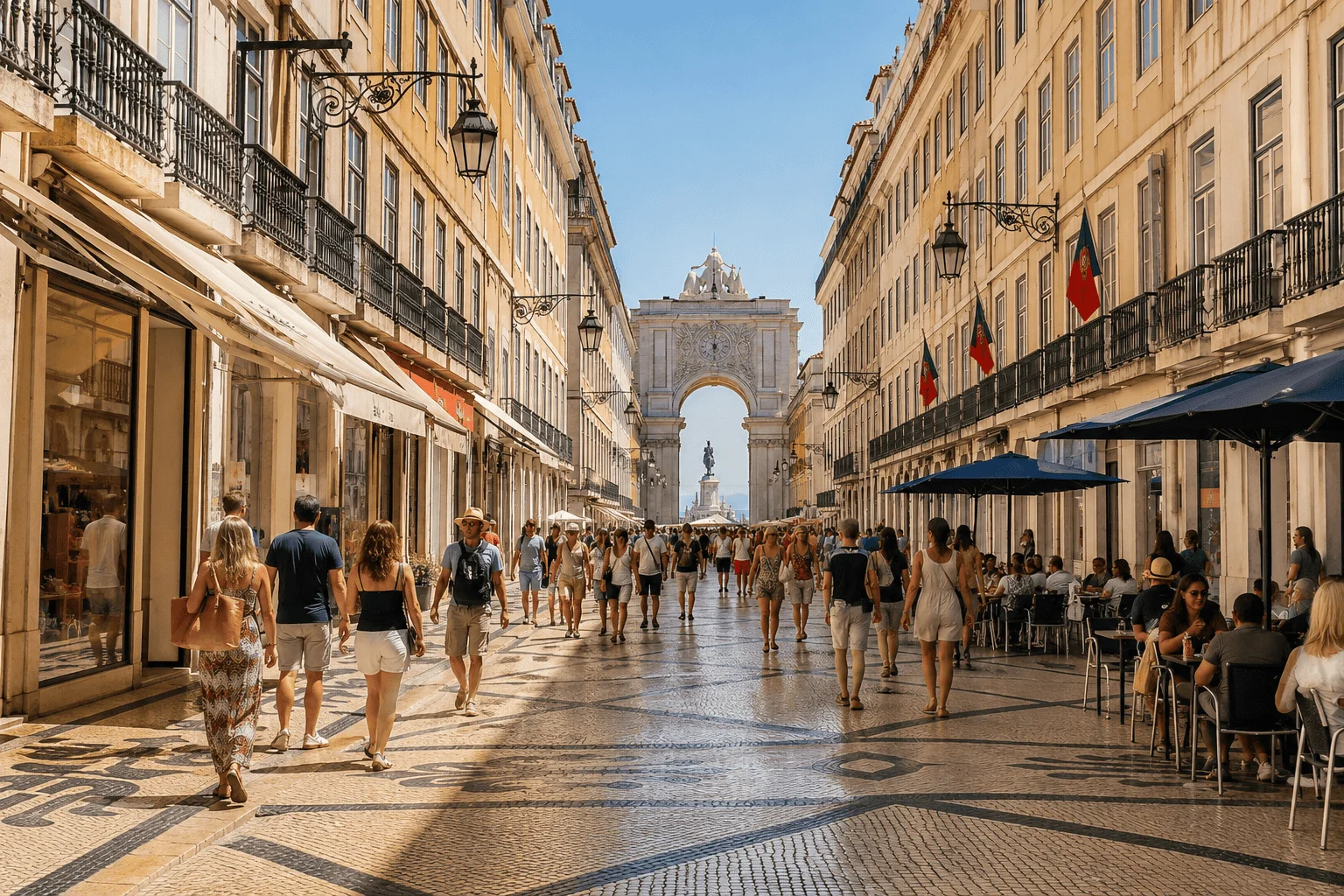
Position yourself near the fountain to capture the classic yellow tram passing by with the river in the background. This location offers quintessential Lisbon street photography for visitors on lisbon wine tasting day trip tickets.
Planning a lisbon wine tasting day trip with children requires careful coordination to ensure the experience remains relaxed for the entire family. Exploring local vineyards offers a chance to enjoy the countryside while keeping the pace comfortable for younger travelers.
Many rural estates have unpaved paths that are difficult for standard strollers, so a baby carrier is recommended for your lisbon wine tasting day trip tour. If you bring a stroller, verify the terrain of the specific vineyard beforehand to ensure it is manageable
This experience is best suited for infants who remain in carriers or older children who can appreciate cultural history, as lisbon wine tasting day trip tickets generally do not include dedicated play areas. Consider the length of the visit to ensure it matches your child's capacity for quiet engagement
Basic amenities like baby-change stations are not guaranteed at all rural properties, so prepare to be self-sufficient during your time away from the city. Checking ahead for specific venue services will help you plan your lisbon wine tasting day trip tours more effectively
We recommend arriving between 09:00–11:00 to complete your activities before the heat of the day. This schedule helps avoid the largest crowds, allowing for a more peaceful experience at the vineyard estate.
Exploring the region is best complemented by authentic local pairings near your lisbon wine tasting day trip departure point. You will find various bistros and wine bars in the city center perfect for enjoying Portuguese viticulture alongside traditional snacks before embarking on your lisbon wine tasting day trip tours.
This popular spot showcases a wide selection of regional labels and petiscos. It is a favored stop for those seeking lisbon wine tasting day trip tickets to local vineyards.
Specializing in small-batch producers, this cozy venue offers excellent glass pours and expert guidance. It provides an ideal setting for a lisbon wine tasting day trip tour group to gather before departure.
Offering a curated list of national grapes, this tavern focuses on regional food pairings like cheeses and cured meats. It serves as a quiet space to discuss your upcoming Lisbon wine excursions.
Everything you need to know for your journey
A typical Lisbon wine tasting day trip tour departs around 09:00 and returns by early evening, matching the attraction's daily 09:00–18:00 opening hours.
There is no standard entrance fee for the Lisbon wine tasting day trip itself; costs apply per specific tasting or tour package booked at individual wineries.
Autumn, roughly September through November, is the strongest season for wine touring near Lisbon because it coincides with the grape harvest at Azeitão and Setúbal estates and brings comfortable 18-24°C weather.
Lisbon wine tasting day trip tickets are generally refundable if cancelled at least 24 hours before departure, though exact terms depend on the operator since the base attraction has no entrance fee to refund.
Closed-toe shoes are recommended for uneven cellar flors, along with a light layer since underground tasting rooms at estates like José Maria da Fonseca stay cool year-round.
Yes, most operators welcome children and offer grape juice tastings, though the slower pace of formal wine pouring can feel long for younger kids.
Ground-flor tasting rooms at estates such as Bacalhôa Wine Estate are wheelchair accessible, but some historic vaulted cellars in Azeitão have steps and uneven stone flooring.
Outside alcohol generally isn't permitted inside tasting rooms since it interferes with each winery's own comparisons, though bottled water is always allowed.
Most tours include round-trip minivan transport from central pickup points such as Praça do Comércio, or you can self-drive the A2 highway to Azeitão in about 30-40 minutes.
Small bags are fine, but large backpacks are discouraged in the narrow barrel tunnels at estates like José Maria da Fonseca for safety and space reasons.
Photography is allowed in most vineyards and tasting rooms, though flash is restricted in some barrel cellars where humidity-sensitive labels and corks are stored.
Praça do Comércio, Castelo de São Jorge and the Alfama district's miradouros all sit within a short walk of common departure points, making it easy to pair Lisbon landmarks with a wine tasting outing.
Riverside square marking Lisbon's historic downtown, rebuilt after the 1755 earthquake.
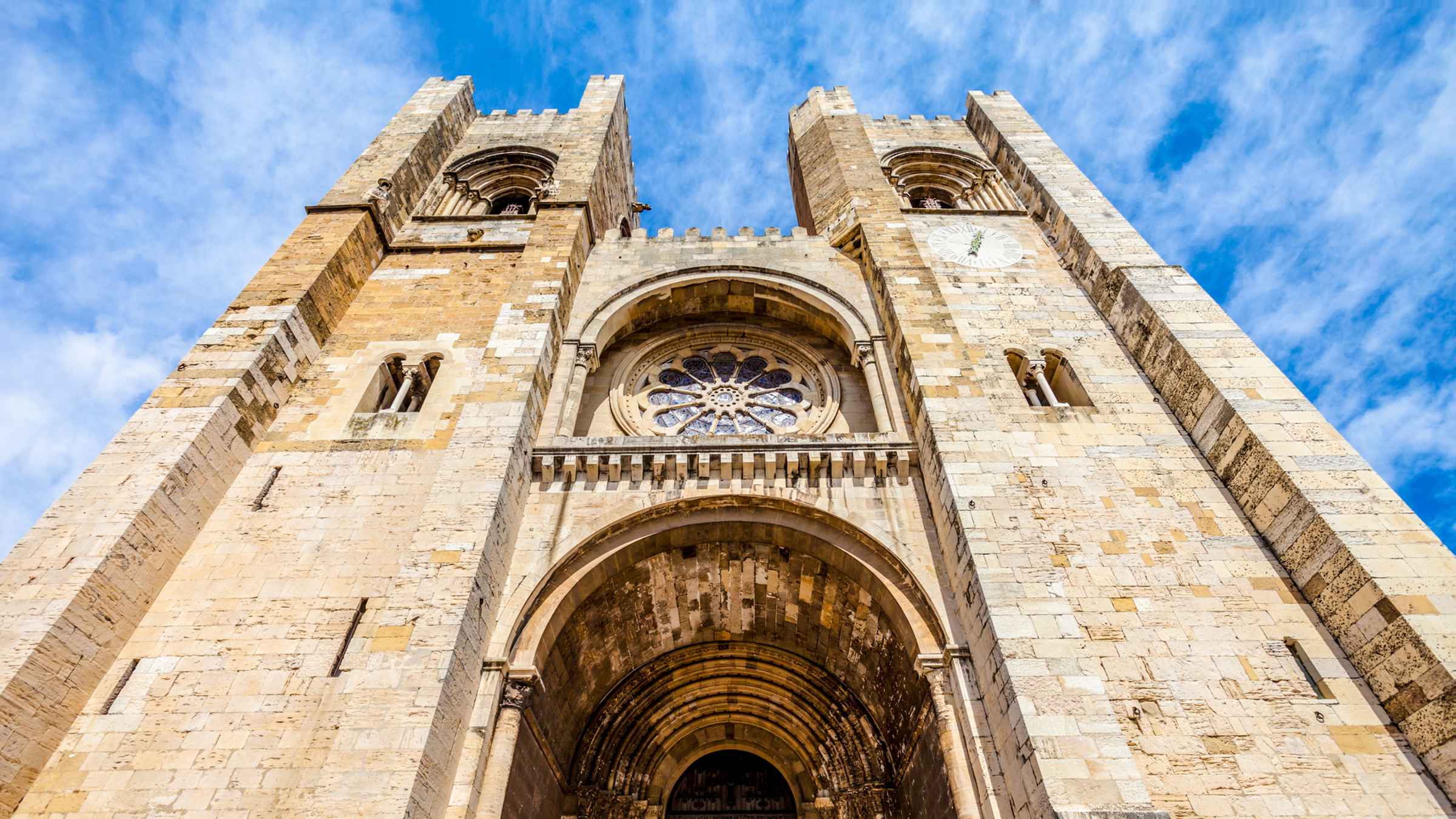
Romanesque cathedral founded in 1147 and the oldest church in Lisbon.
Hilltop Moorish-era castle with panoramic views over the Tagus River.
Triumphal arch with a rooftop viewpoint over Praça do Comércio.
Tiled terace overlooking the Alfama district and the river.
Central district with easy access to most tour pickup points and the metro.
Historic hotel set inside a former government palace on Praça do Comércio.
Budget to mid-range guesthouses in Lisbon's oldest neighborhood.
18th-century townhouse hotel near the riverfront.
Join thousands of happy travelers who have discovered this incredible experience
Book Your Experience Now